
Health articles
Understand gut health, hydration, and digestion with articles that link to their sources.
Abdominal Gurgling After Eating: What It Means
Abdominal gurgling after eating is often normal gut movement and gas, but patterns with pain, diarrhea, or weight loss deserve attention.

What different belly pain spots can mean
Use belly pain location as one clue, not a diagnosis. Learn common patterns, tracking tips, and red flags that need urgent medical care.

Acid Reflux and Heartburn Explained
A clear guide to acid reflux and heartburn, why stomach acid rises into the esophagus, common triggers, everyday relief ideas, and when to see a doctor.
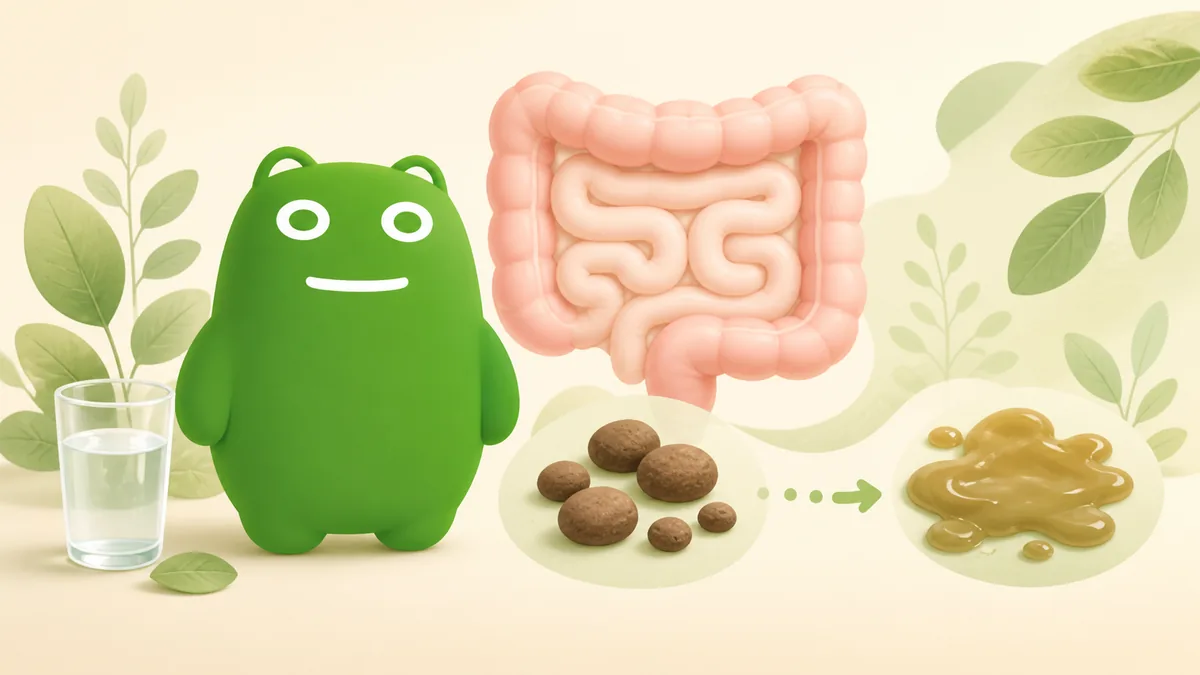
Alternating Constipation and Diarrhea: Why It Happens
Understand why bowel habits can swing between constipation and diarrhea, what patterns to track, and which warning signs need prompt medical evaluation.

Best Times to Drink Water During the Day
When is the best time to drink water? Practical moments to hydrate, why spacing fluids earlier in the evening helps sleep, and why steady total intake matters most.

Black Stool: Causes and When to Worry
Black stool can come from iron, foods, or bleeding higher in the gut. Learn what to check, warning signs, and what to record.
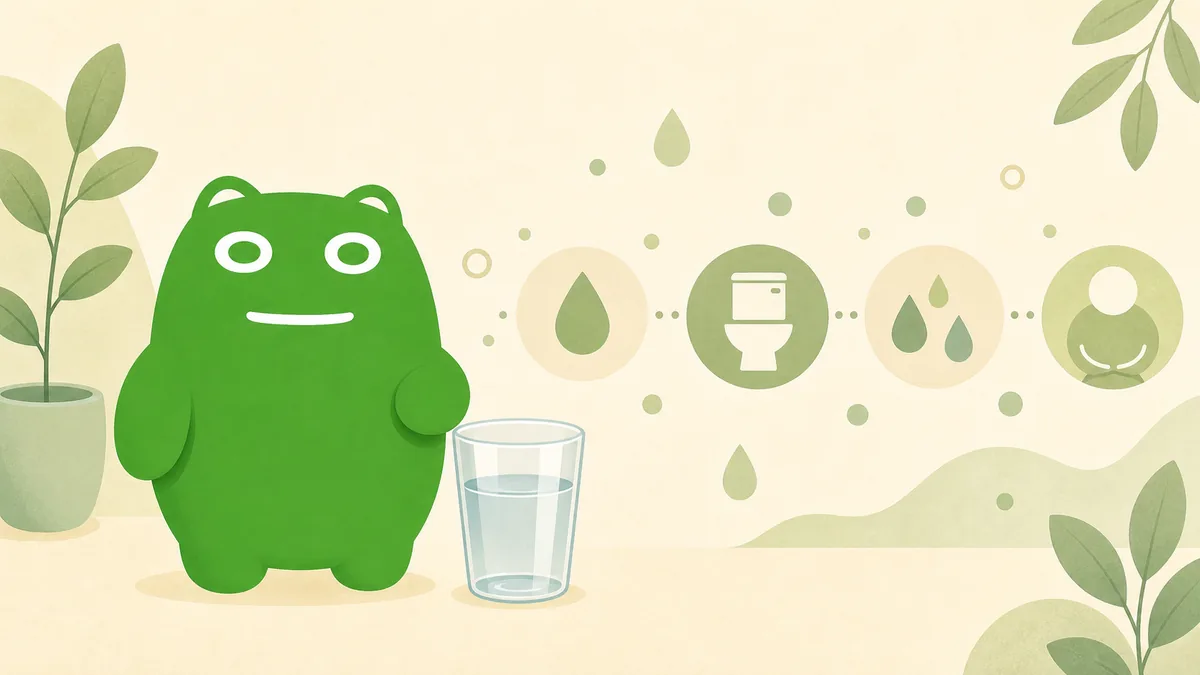
How to Keep a Bladder Diary
Learn how to keep a bladder diary, what to record about drinks and urination, how long to track patterns, and which urinary warning signs need medical care.
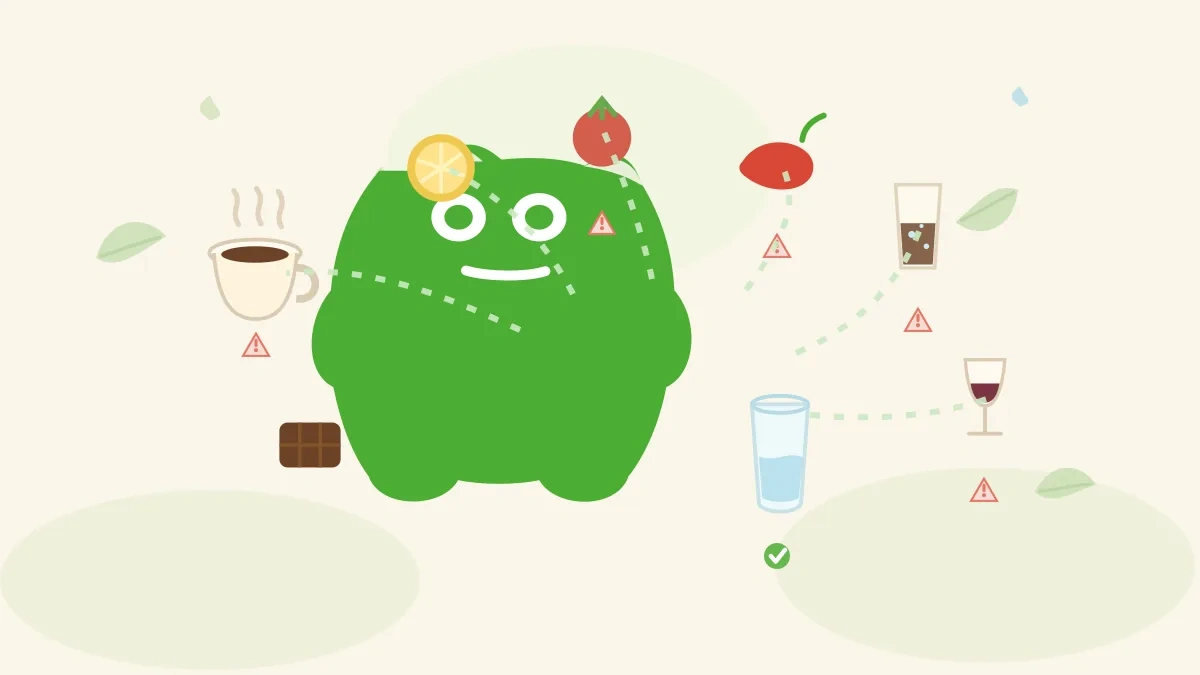
Bladder Irritant Foods and Drinks: What to Track
Coffee, alcohol, citrus, spicy foods, carbonation, and sweeteners can bother some bladders. Learn how to test triggers without guessing.

Bloating After Alcohol: Why It Happens
Bloating after alcohol is often temporary and may come from carbonation, mixers, salty food, fluid shifts, or gut irritation. Learn what to track safely.
Bloating After Eating Bread: Common Reasons
Learn why bread may trigger bloating through portion size, fermentation, fructans, wheat sensitivity, or celiac disease, and what patterns to track safely.

Bloating After Carbonated Drinks: Why It Happens
Bloating after carbonated drinks often comes from trapped gas, swallowed air, meal timing, or a sensitive gut. Learn what to track and when to seek care.
Bloating After Coffee: Why It Happens
Coffee can leave some people bloated through caffeine, acidity, milk, sweeteners, speed, or serving size. Learn what to test and when to seek care now.
Bloating After Dairy: Causes and How to Track It
Bloating after dairy may involve lactose, fat, portion size, or another ingredient. Learn a practical tracking test and when persistent symptoms need care.
Bloating After Drinking Water: Why It Happens
Bloating after water is usually about speed, carbonation, swallowed air, meals, or constipation. Learn what to change and when to seek care safely today.

Why You Feel Bloated After Meals
Learn why bloating happens after eating, which foods and habits commonly trigger it, and when post-meal bloating needs medical attention.

Bloating After Onions and Garlic: Why It Happens
Learn why onions and garlic can trigger bloating or gas through fructans, FODMAP load, meal size, and patterns worth tracking before restricting foods.
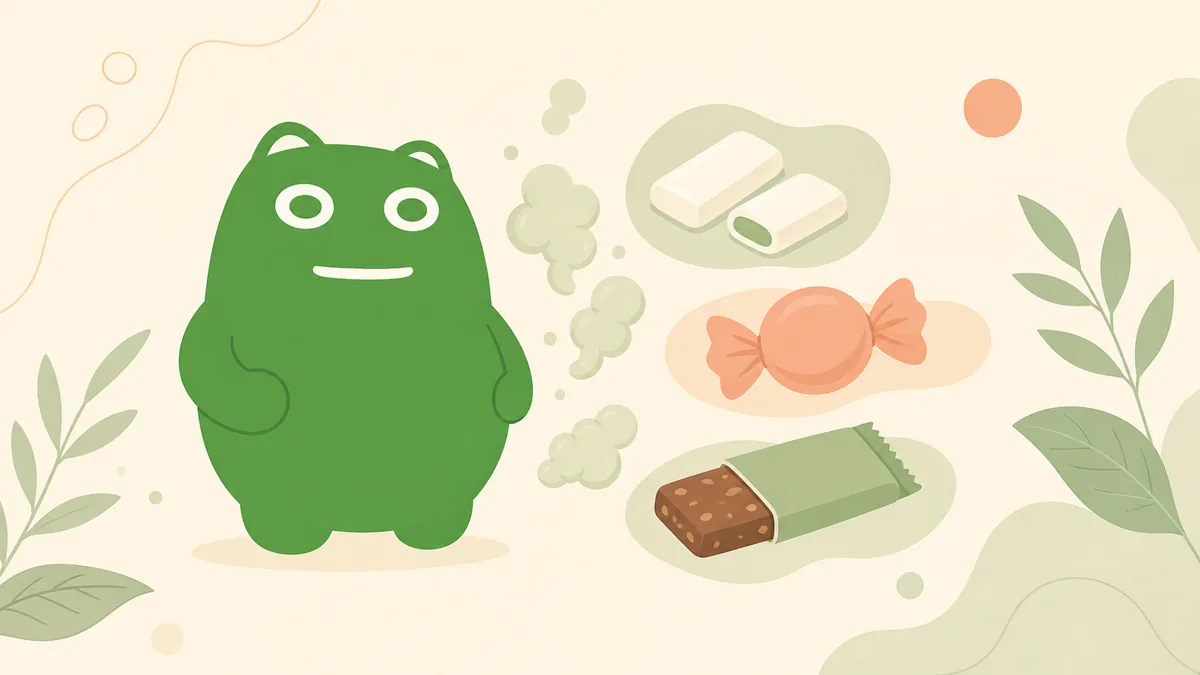
Bloating After Sugar Alcohols: Gas and Triggers
Bloating after sugar alcohols often comes from fermentation gas, dose, and timing. Learn what to track and how to separate it from diarrhea symptoms today.
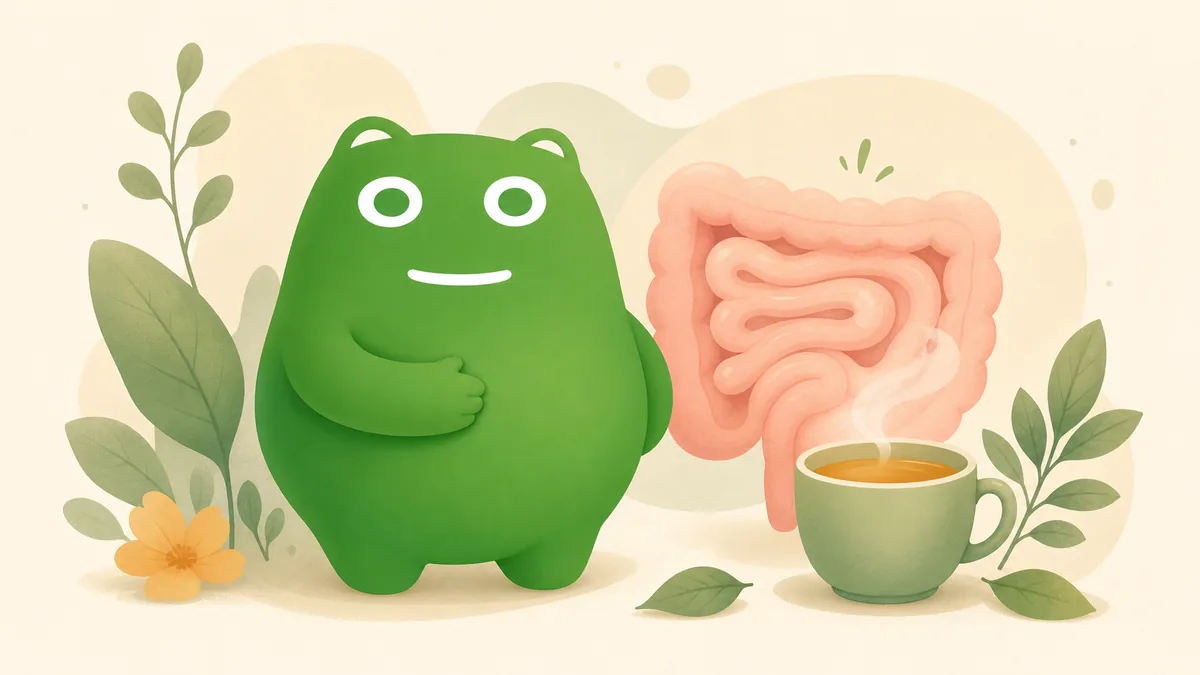
Bloating and Constipation: Why They Happen Together
Bloating often accompanies constipation when stool and gas move slowly. Learn practical steps, useful tracking clues, and warning signs that need care.
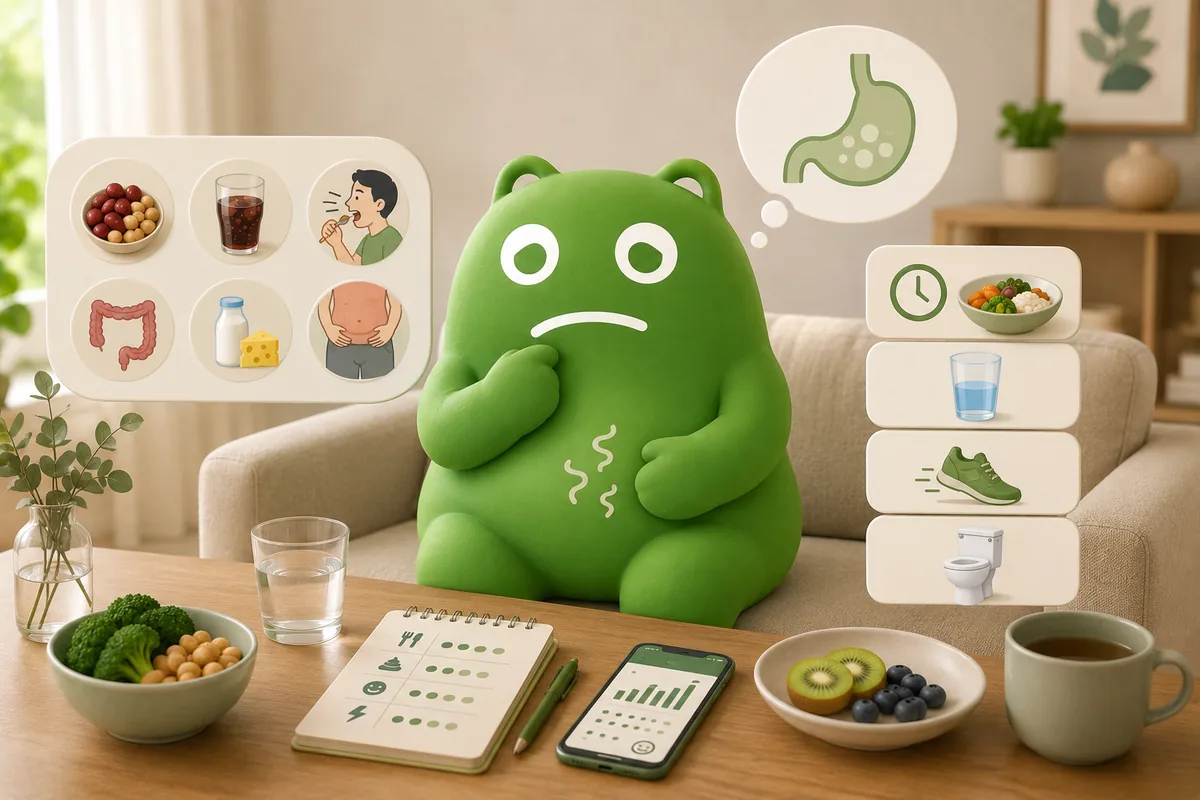
Why Am I So Bloated? Causes and How to Reduce It
Find out why bloating happens, the common foods and habits behind it, and simple, evidence-informed ways to feel less bloated and know when to see a doctor.

Bloating During Your Period: What Helps
Period bloating can come from hormone-related fluid shifts and gut changes. Learn what to track, self-care steps that may help, and when to seek medical care.

Blood in Stool: What It Can Mean
A calm guide to blood in stool, from bright red to black tarry stool, the common benign causes, and the red flags that need a doctor.
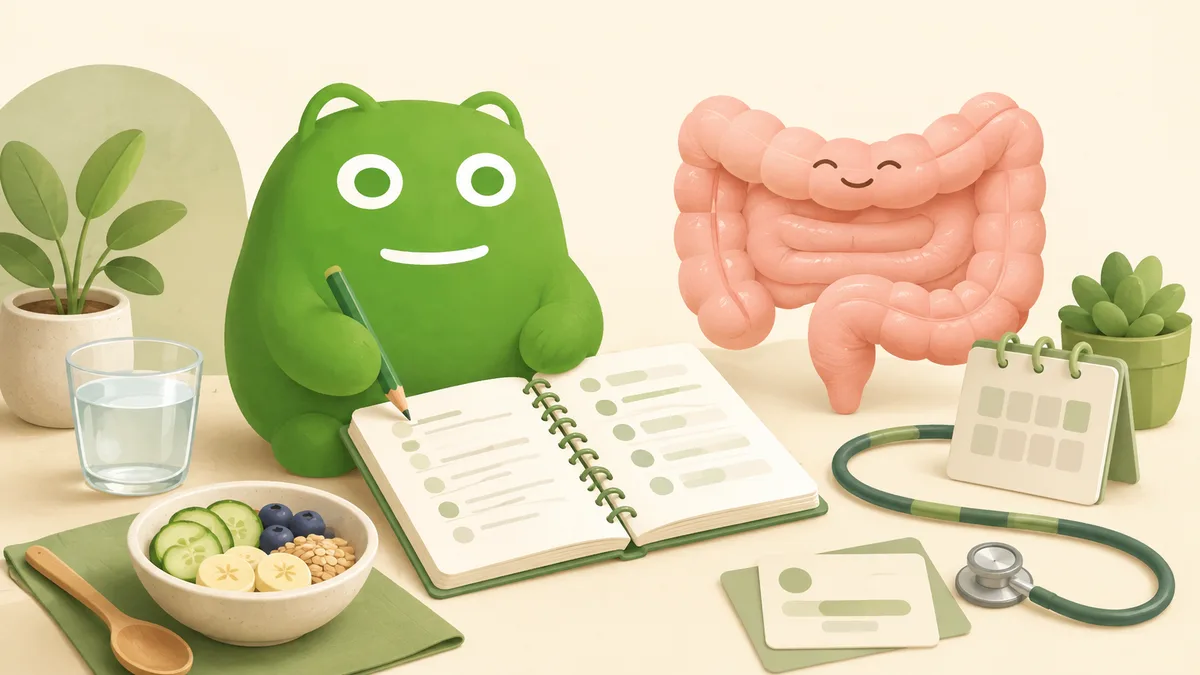
Bowel Diary for a GI Appointment: What to Record
Prepare a useful bowel diary for a gastroenterology visit by tracking stool form, timing, symptoms, meals, water, medicines, daily context, and warning signs.

Bowel Movement After Eating: What It Means
Needing to poop after eating is often the gastrocolic reflex. Learn what is normal, what to track, and when symptoms need care.
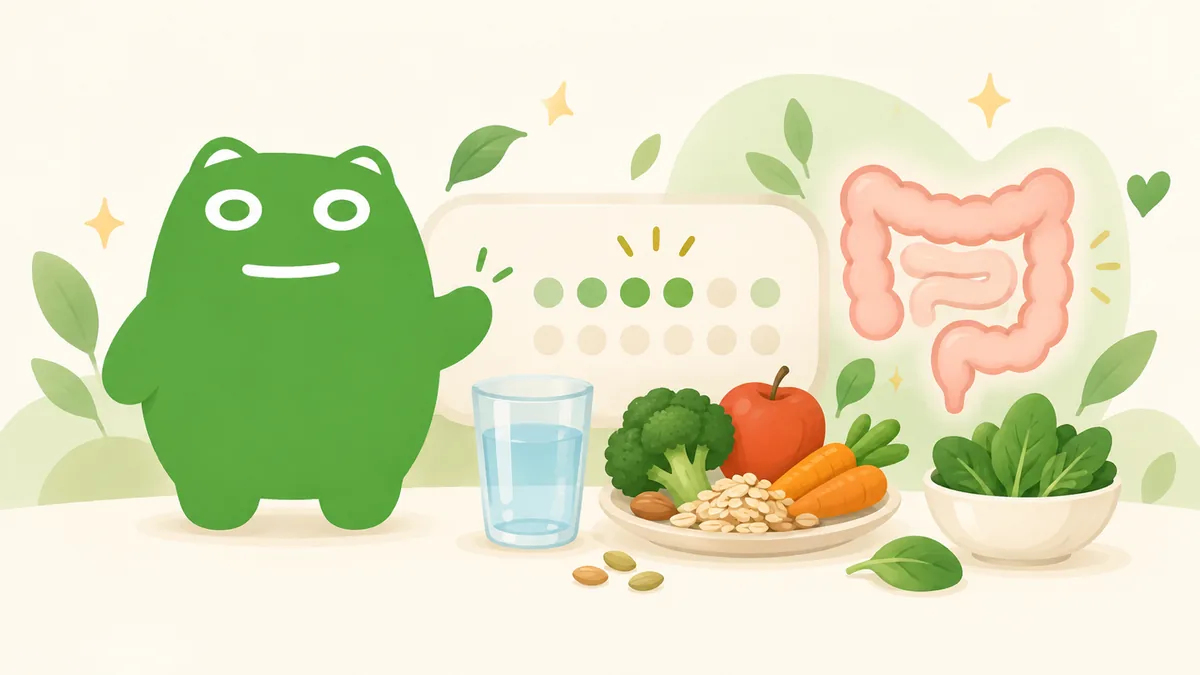
Bowel Movement Tracker for Constipation
Use a bowel movement tracker to record constipation patterns, stool form, straining, food, water, and notes you can share at a medical appointment for care.
Bowel Movements at Night: When the Pattern Matters
Occasional nighttime bowel movements may follow food or routine changes, but repeated sleep-waking symptoms matter. Learn what to track and when to seek care.
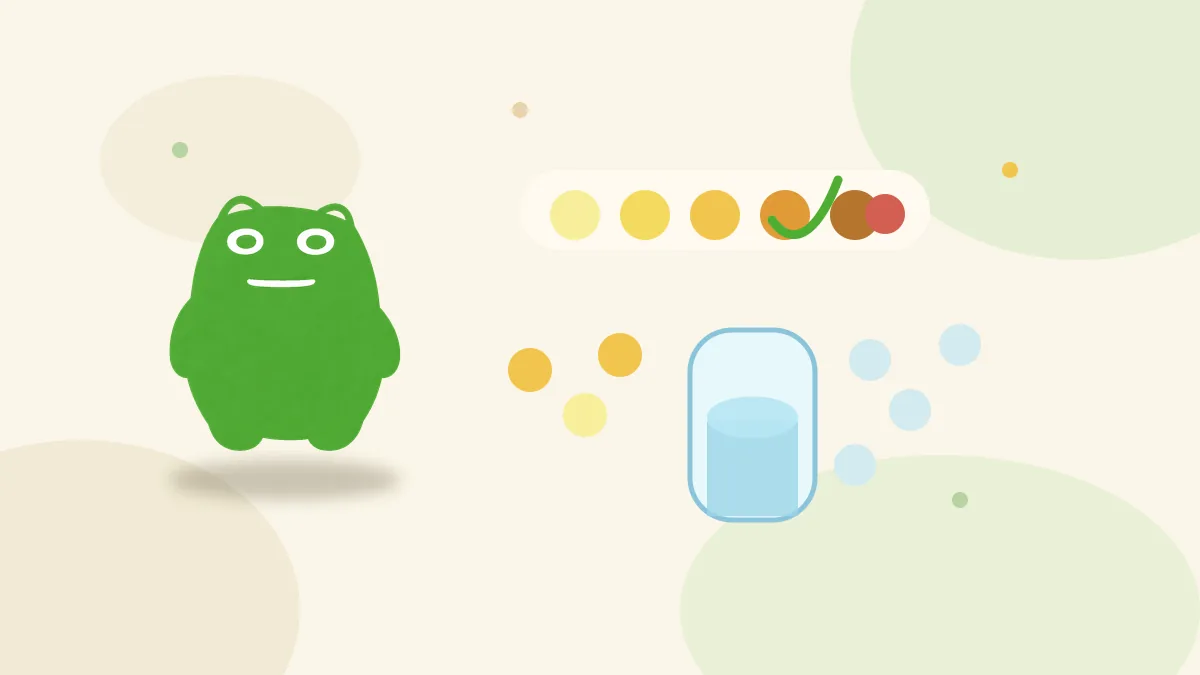
Bright Yellow Urine: Causes and What to Do
Bright yellow urine is often linked to vitamins, food dyes, or concentrated urine. Learn what to check, how to hydrate wisely, and when to seek medical care.
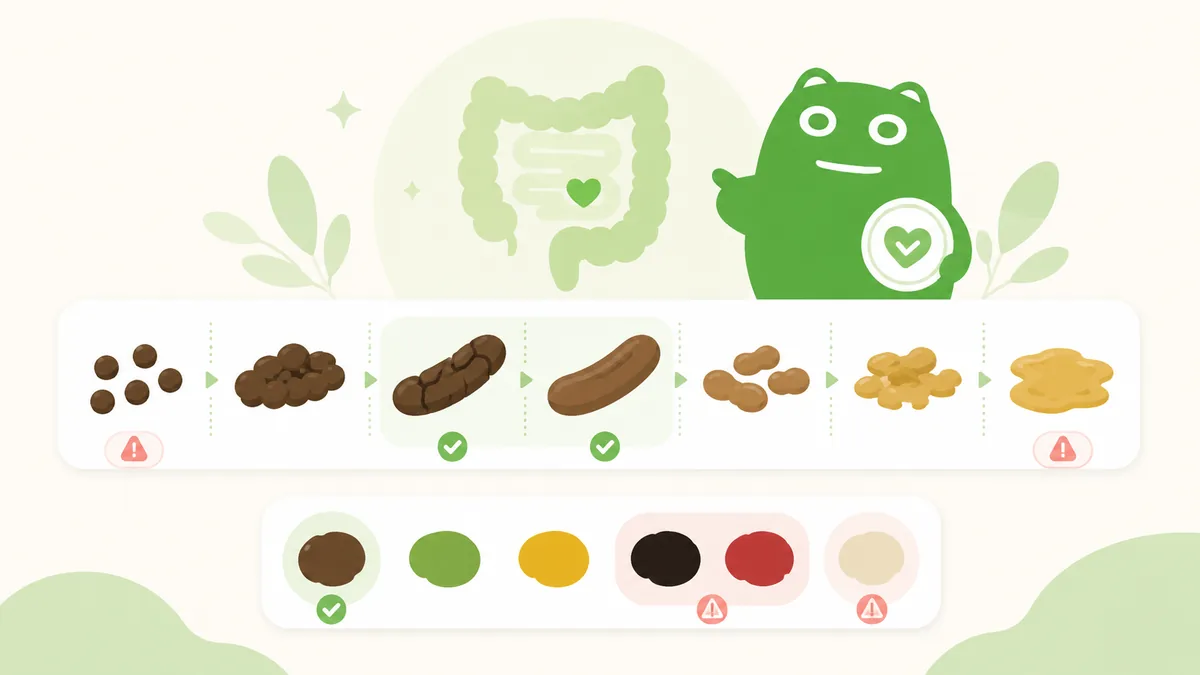
Bristol Stool Chart: What Your Poop Says About Your Health
A plain guide to the Bristol Stool Chart, the 7 stool types, and what stool shape and color can tell you about your digestive health.
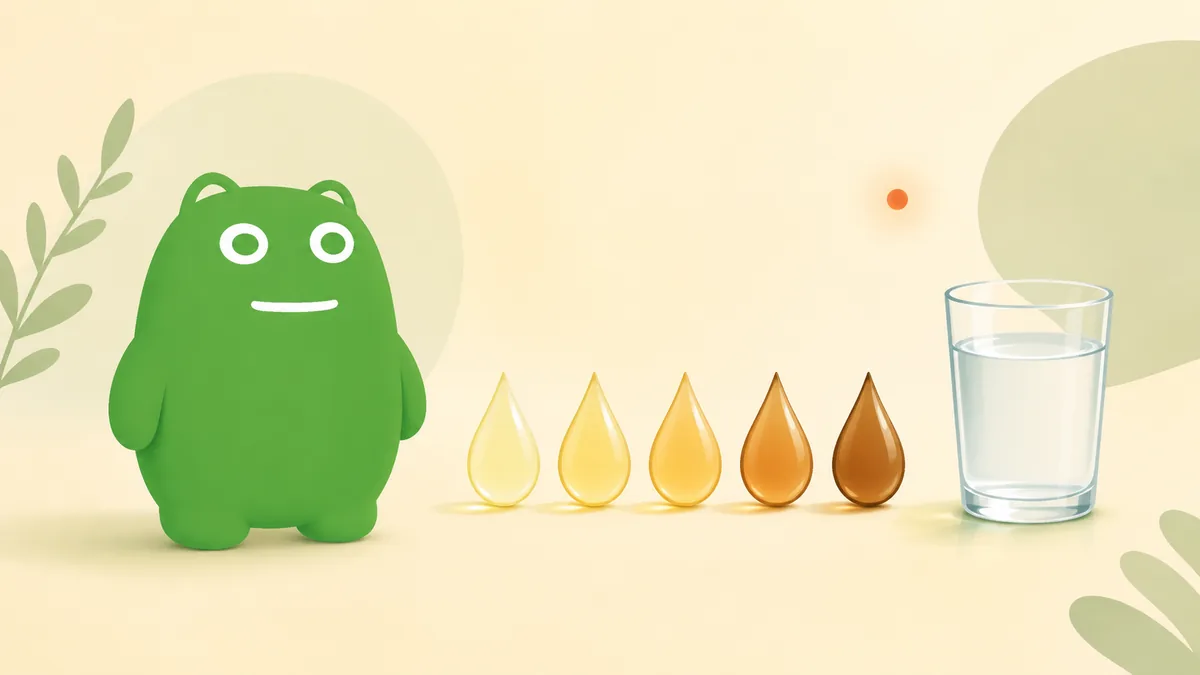
Brown Urine: Causes and When to Worry
Brown urine may come from dehydration, foods, medicines, blood, liver problems, or muscle injury. Learn what to check and when to seek medical care now.
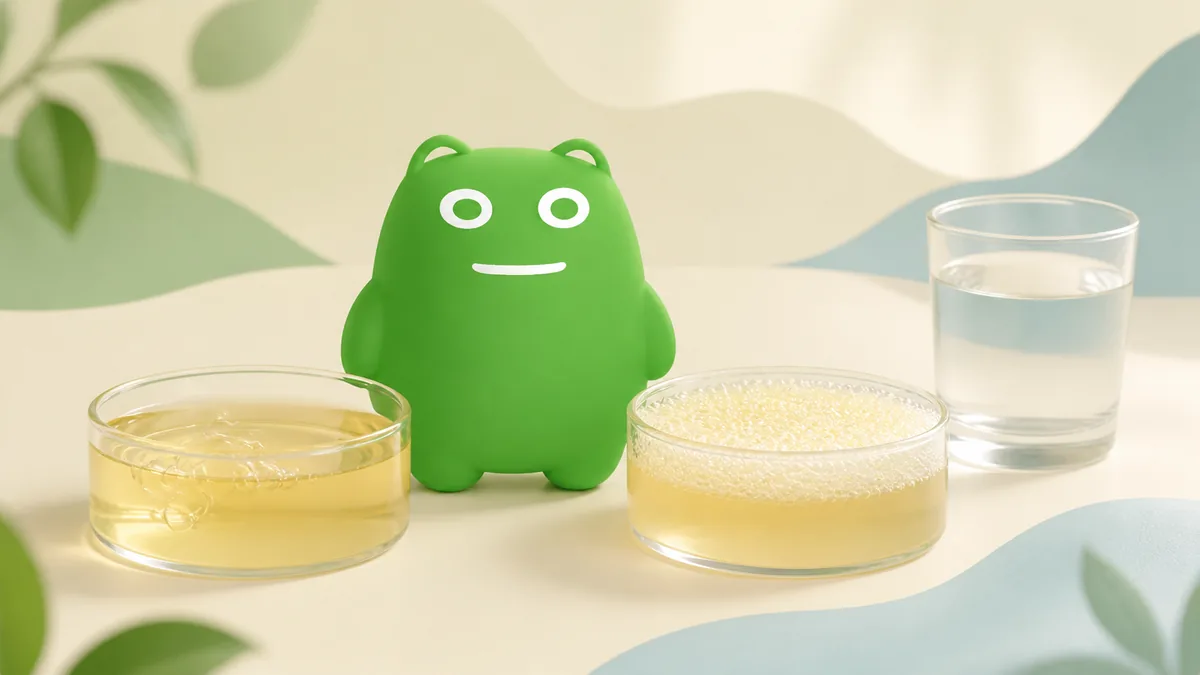
Bubbles vs Foamy Urine: How to Tell the Difference
Learn why brief bubbles often come from urine flow or toilet water, when persistent foam may need a urine test, and which warning signs should prompt care.
Burning When You Pee: Common Causes and Red Flags
Burning urination can come from irritation, dehydration, or infection. Learn what symptoms to track and when to seek medical care.
Burping After Eating: Causes and Food Triggers
Burping after eating can come from swallowed air, carbonated drinks, fast meals, reflux, or food triggers. Learn what to track and when to worry.

Caffeine and Hydration: What to Know
Coffee and tea can count toward fluid intake, but caffeine may affect urination. Learn how to track hydration without guessing.
Best Cara Care Alternatives for Gut Tracking in 2026
Compare Cara Care alternatives for gut tracking in 2026, including stool, food, symptom, hydration, privacy, platform, and how to choose the right app.
Clear Urine: Hydration Sign or Too Much Water?
Clear urine can simply mean good hydration, but constant clear urine with frequent urination may suggest overhydration or another pattern to track.
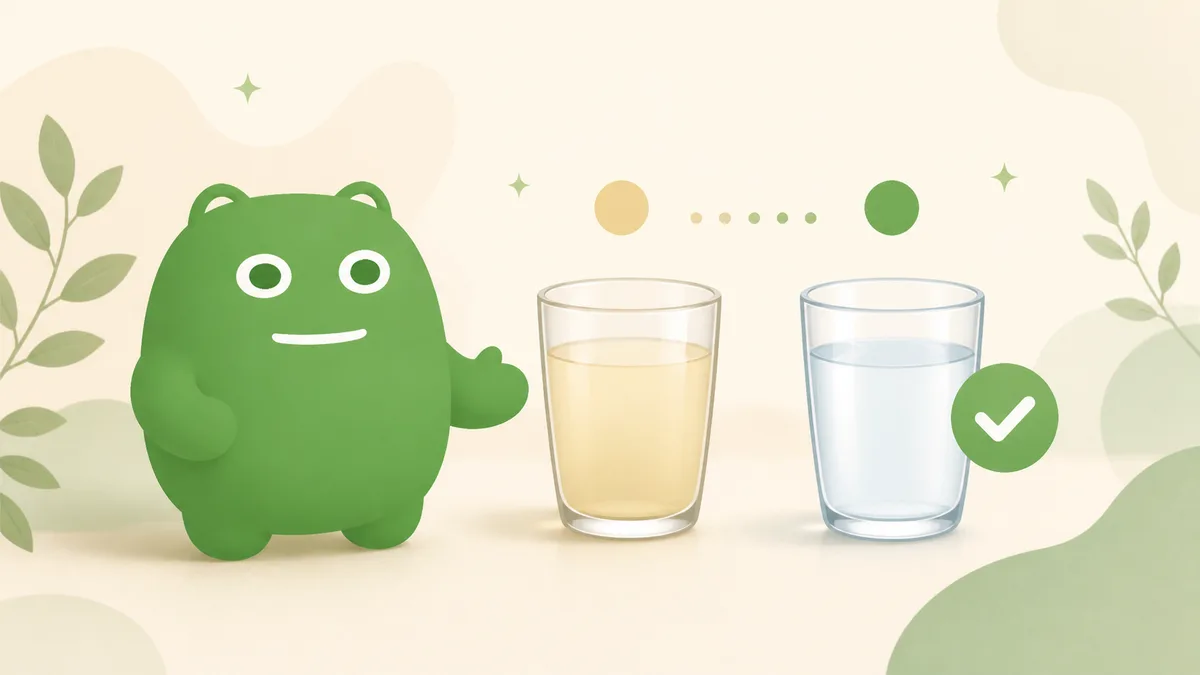
Cloudy Urine: Common Causes Explained
Learn common causes of cloudy urine, including hydration, UTIs, crystals, and when cloudy or painful urination should be checked by a doctor.
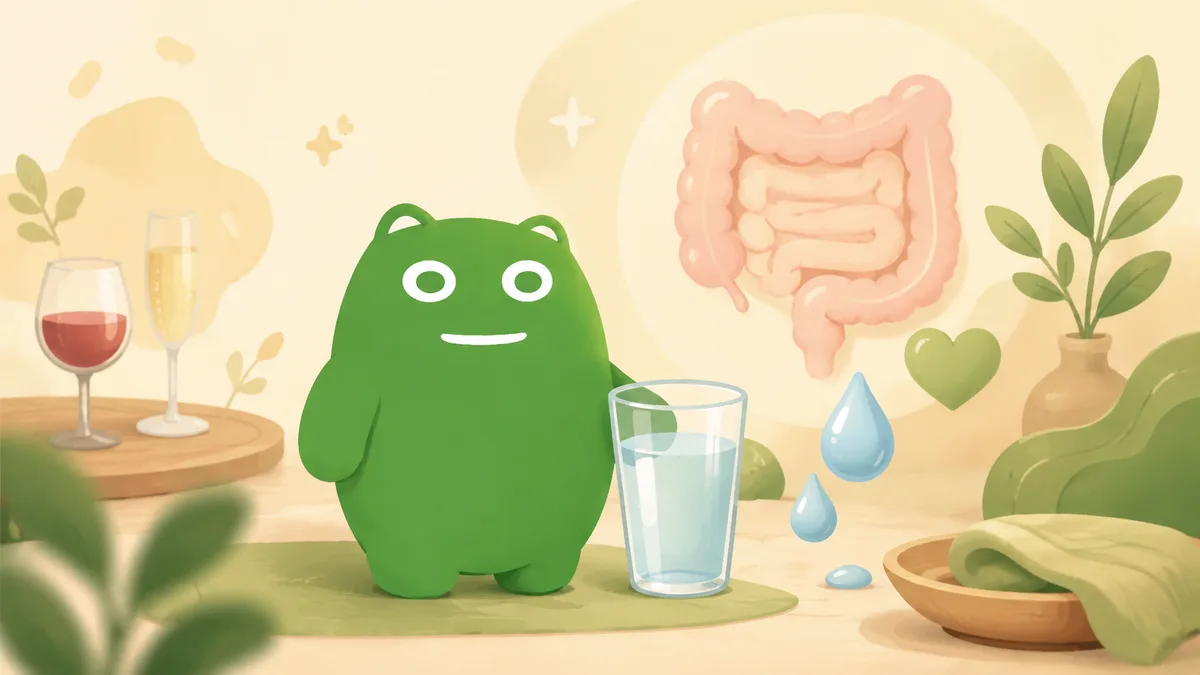
Constipation After Alcohol: Why It Happens
Constipation after alcohol may involve dehydration, disrupted meals, poor sleep, and routine changes. Learn safe steps, useful tracking, and warning signs.
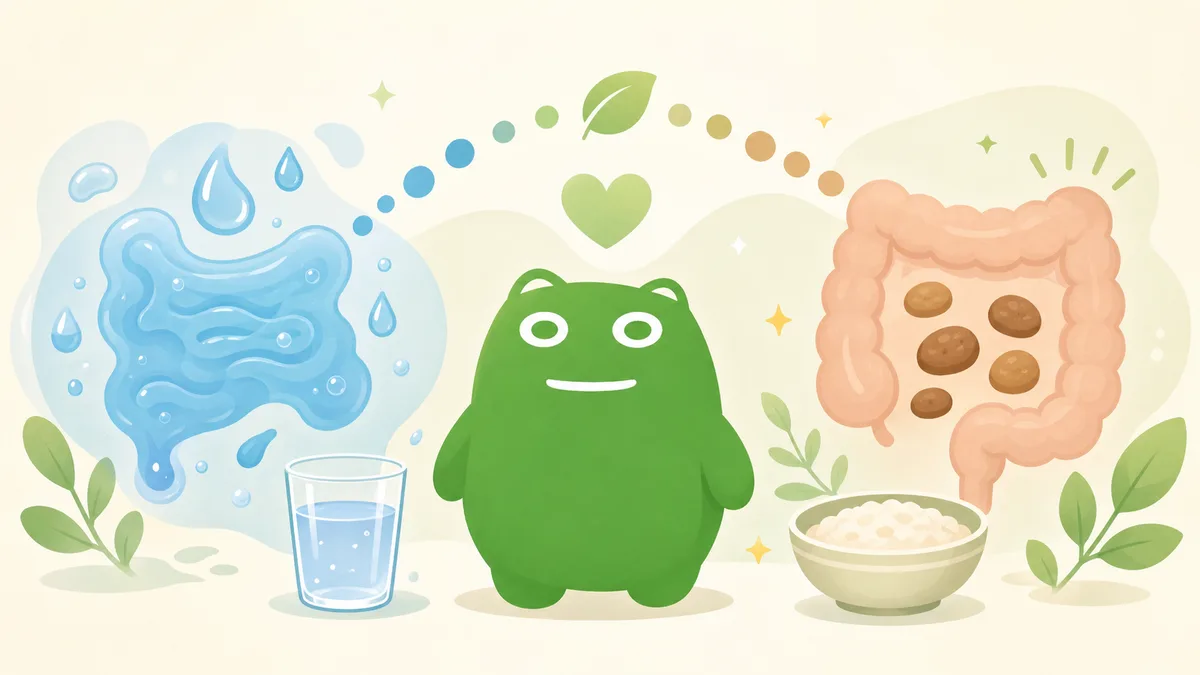
Constipation After Diarrhea: What It Can Mean
Constipation after diarrhea can happen as the bowel slows, intake drops, dehydration lingers, or routines shift. Learn what to track and when to seek care.
Constipation After Starting Fiber: What to Do
Constipation after starting fiber can happen when fiber rises too fast or fluids lag behind. Learn how to adjust gradually, track stool, and know red flags.
Constipation and Hydration: What Water Can Do
Water can help soften stool, but it rarely fixes constipation alone. Learn what hydration does, what else matters, and what to track.
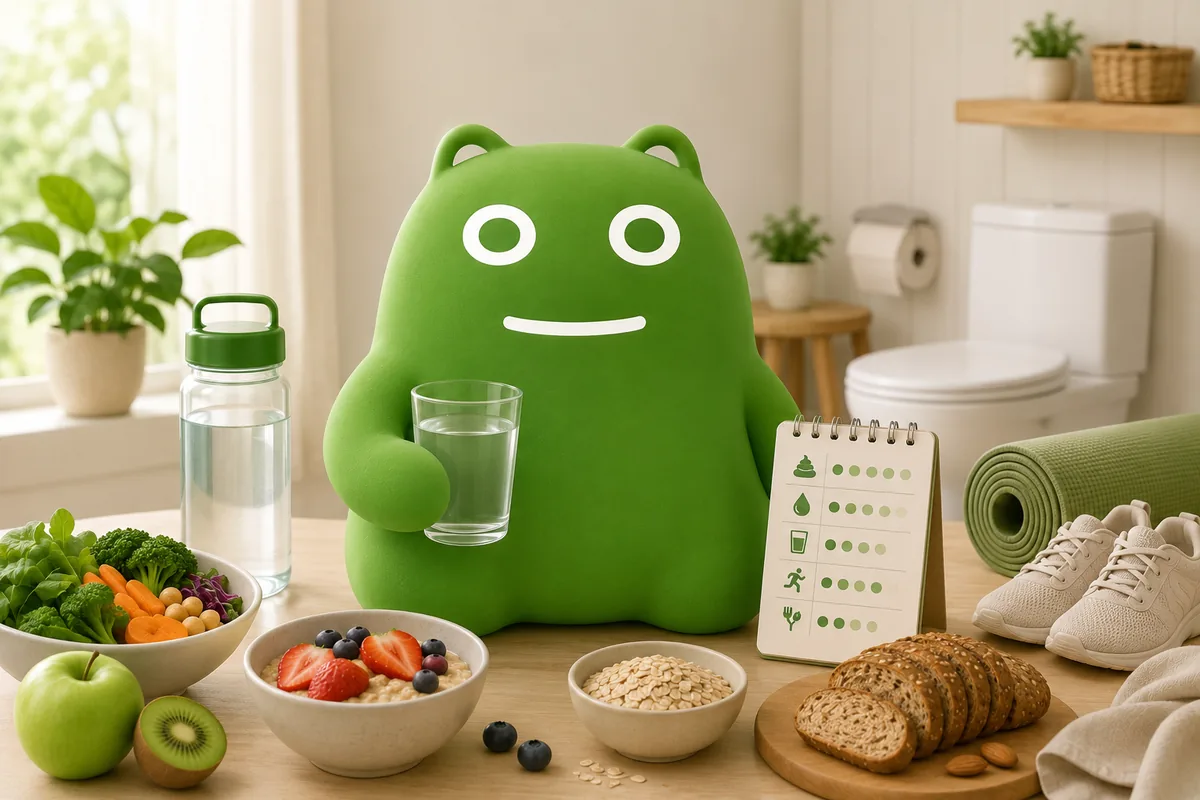
Constipation: Causes, Relief, and When to Worry
A plain guide to constipation: what counts as constipation, the common causes, simple ways to find relief, and the red flags that mean see a doctor.
Constipation During Your Period: What to Track
Constipation around your period can reflect cycle-linked gut changes. Learn what to track, habits that may help, and red flags to discuss with a clinician.
Constipation, Hydration, and Fiber: What Helps?
Constipation often needs both fluid and fiber balance. Learn how water, stool type, meals, and warning signs fit together.
Dark Urine After Exercise: What to Check
Dark urine after exercise often reflects concentrated urine. Learn what to track, how hydration fits in, and which warning signs need prompt medical care.

Dark Urine: Dehydration and Other Causes
Understand why urine may look dark, how dehydration, foods, medicines, blood, or liver issues can affect color, and when to seek care.

Dark Urine in the Morning: What It Can Mean
Dark morning urine is often concentrated after sleep, but persistence or other symptoms can matter. Learn what to track and when to seek medical care.
Dehydration Headache Signs: What to Check
Learn signs that a headache may be linked to dehydration, how it differs from other headaches, what to track, when to rehydrate, and when to seek care.

Dehydration in Summer: Signs and Heat Safety
Why summer heat raises dehydration risk, the early and serious signs to watch for, who is most at risk, and practical tips to stay hydrated in hot weather.
Diarrhea After Alcohol: Why It Happens
Diarrhea after alcohol can come from gut irritation, faster motility, sugars, mixers, food, or dehydration. Learn what to track and when to seek care.
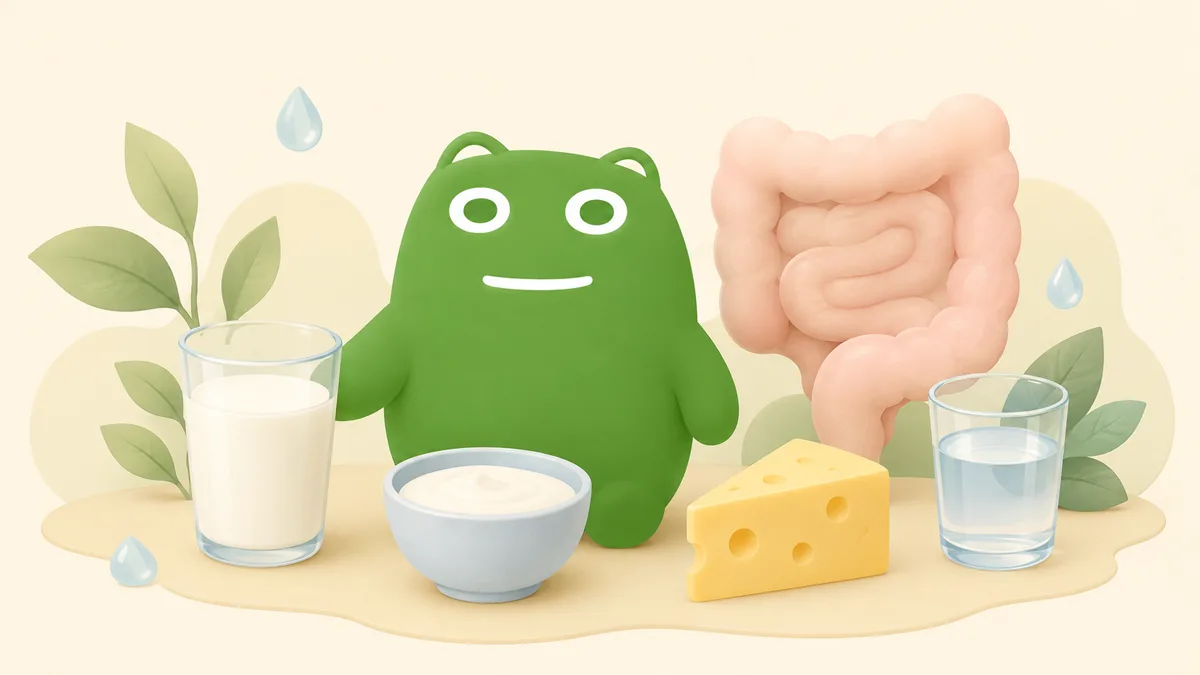
Diarrhea After Dairy: Timing, Types, and Tracking
Diarrhea after dairy may relate to lactose, portion size, or another trigger. Learn what timing and stool patterns to track and when to seek medical care.
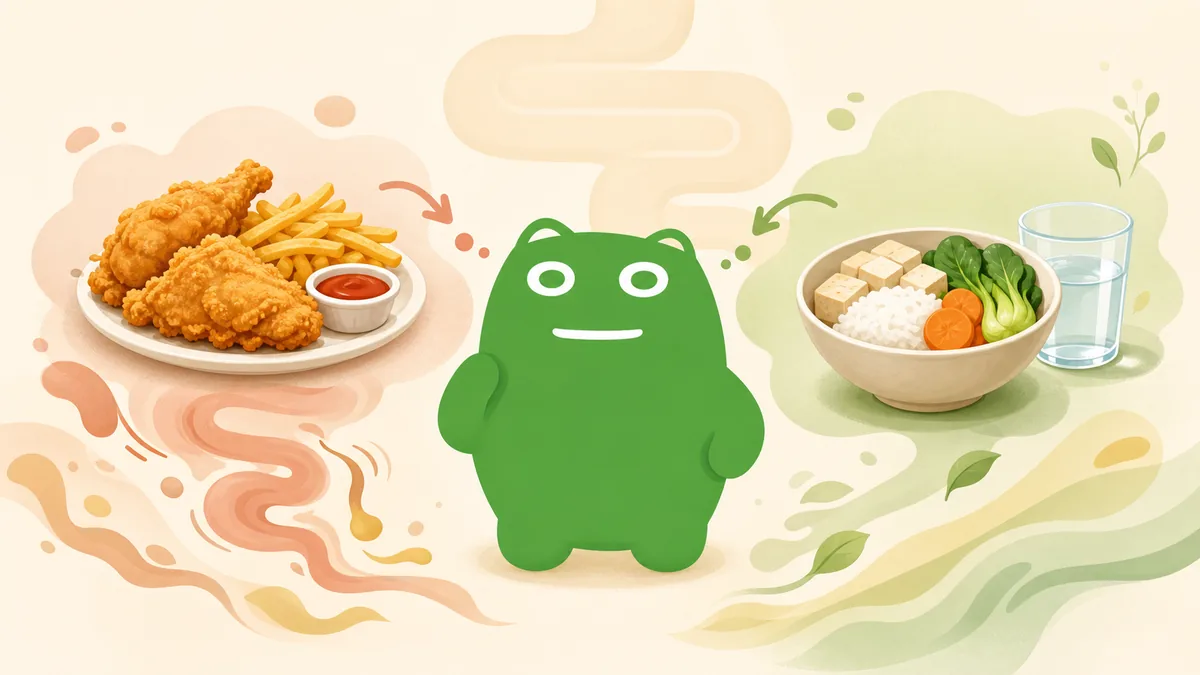
Diarrhea After Fatty Foods: Causes and What to Track
Fatty meals can trigger diarrhea by speeding gut activity or exposing a digestive issue. Learn what to record, how to hydrate, and when to seek medical care.
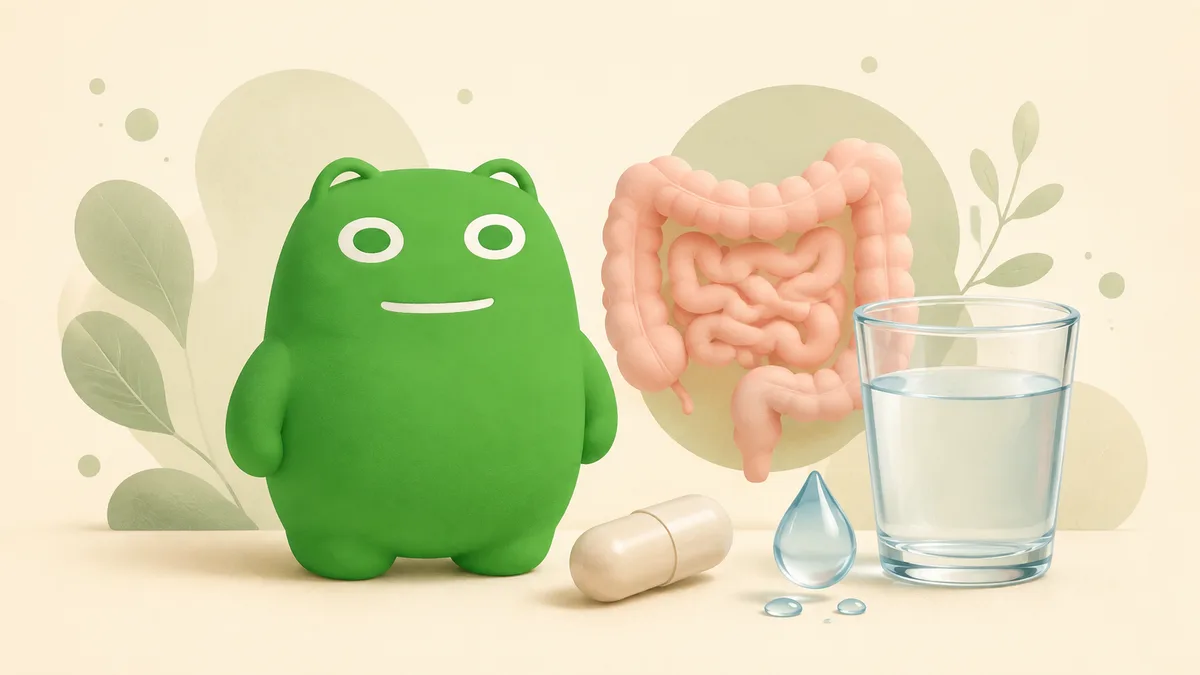
Diarrhea After Magnesium: Causes and What to Do
Magnesium supplements can cause loose stool or diarrhea. Learn why form and dose matter, what to track, and when dehydration or other symptoms need care.
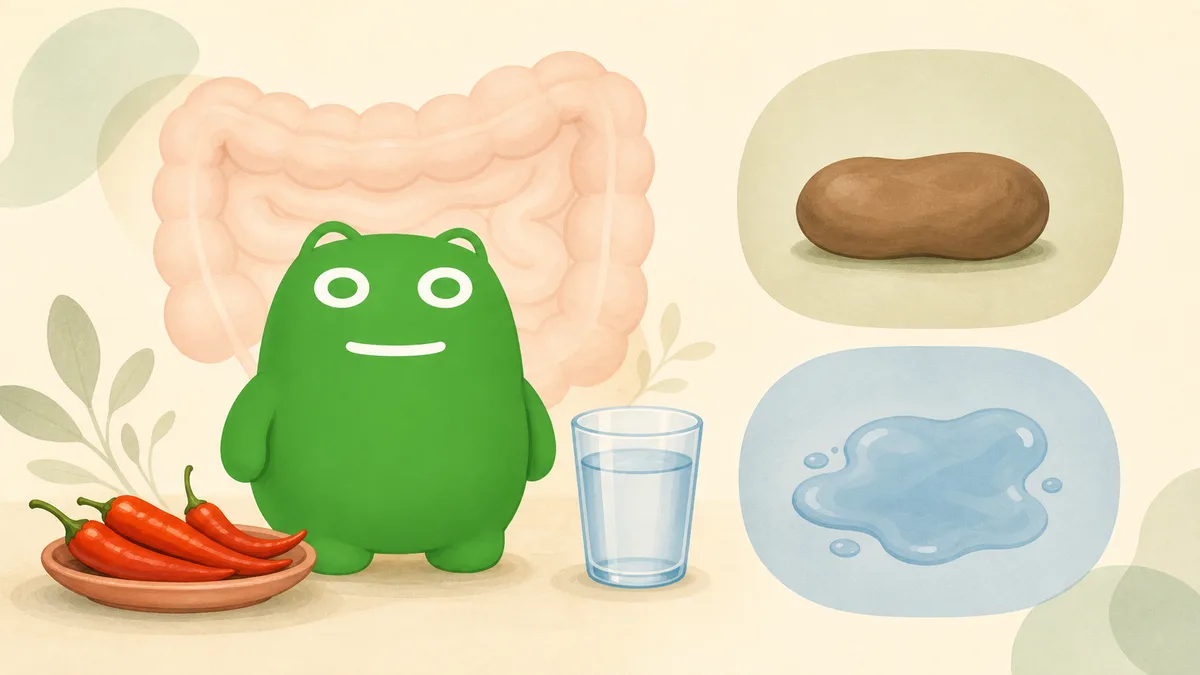
Diarrhea After Spicy Food: Why It Happens
Spicy food can trigger diarrhea in sensitive guts. Learn how capsaicin may affect bowel urgency, what to track, how to hydrate, and when to seek care.
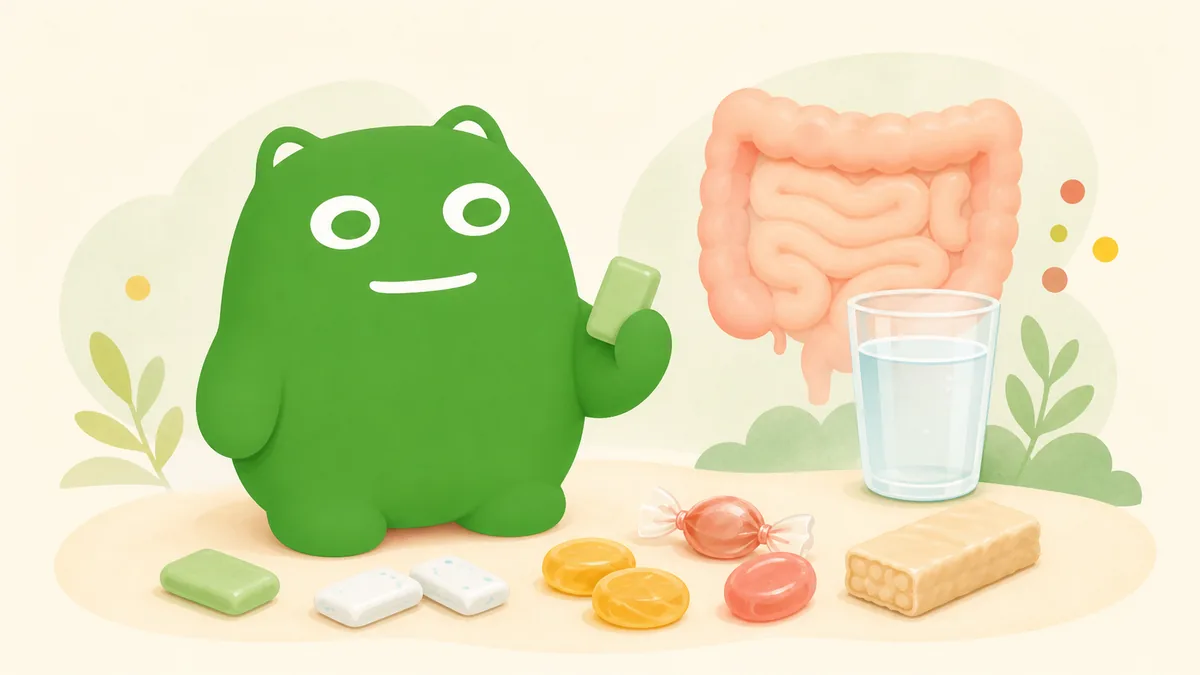
Diarrhea After Sugar Alcohols: Why It Happens
Find out why sorbitol, xylitol, maltitol, and other sugar alcohols can cause gas or diarrhea, where they hide, and how to identify a dose-related trigger.

Diarrhea: common causes and how to find relief
Learn common diarrhea causes, what to track, hydration basics, food patterns, and warning signs that need medical attention.
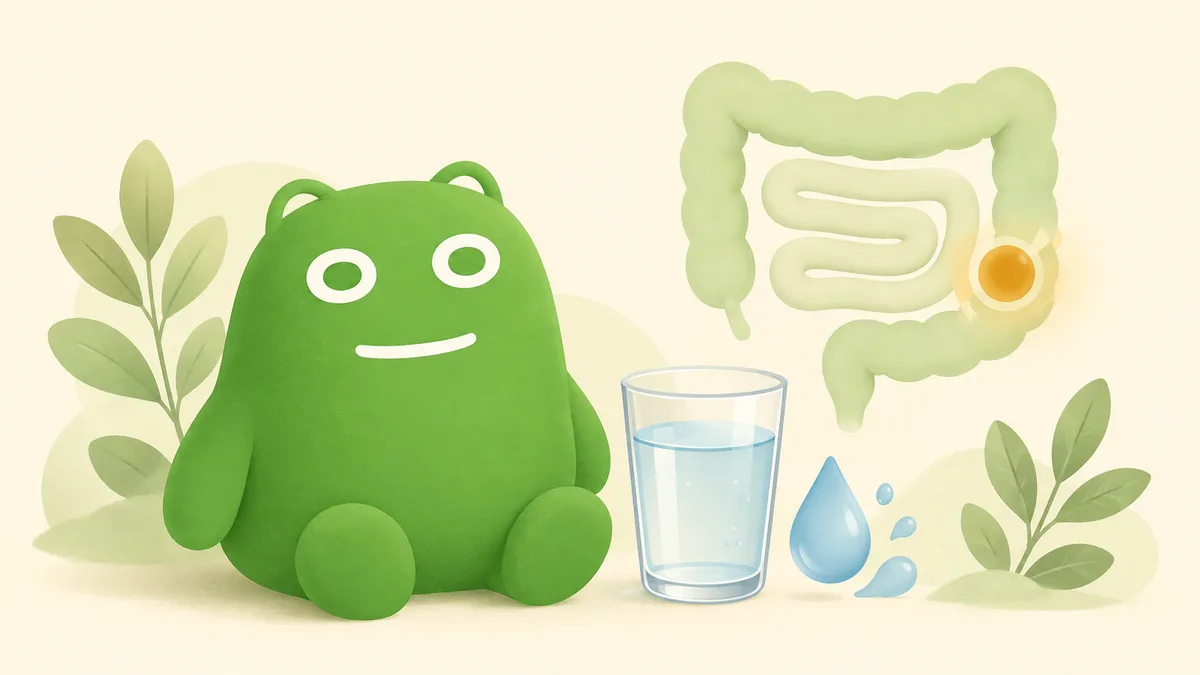
Diarrhea Dehydration Signs: When to Get Help
Diarrhea can cause dehydration quickly. Learn warning signs including dark urine, dizziness, dry mouth, and low urination, plus when to seek medical care.
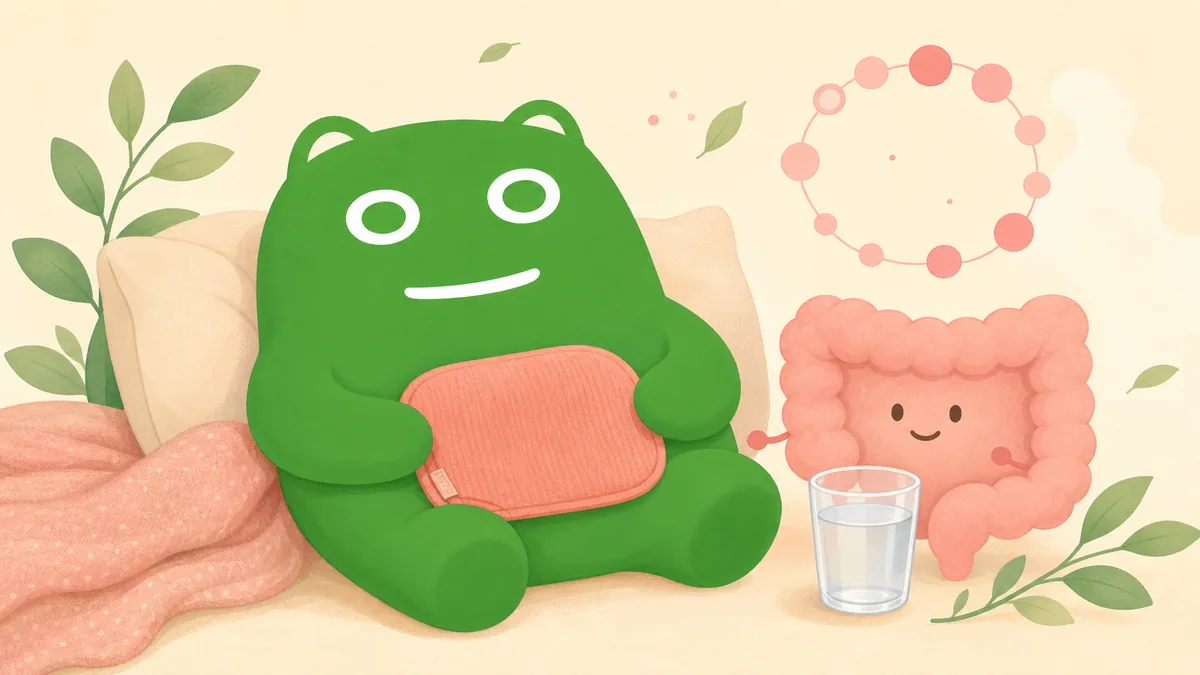
Diarrhea During Your Period: Why It Happens
Period diarrhea can result from prostaglandins affecting the bowel. Learn what may help, what to track across cycles, and when symptoms need medical care.

Electrolytes and Hydration: Do You Need Them?
What electrolytes are, how sodium and potassium support fluid balance, and when plain water is enough versus when an electrolyte drink actually helps.

Exercise for Digestion and Regular Bowels
Movement can support digestion and more regular bowel habits. Learn which exercise helps, timing and cautions, and what to track for real patterns.
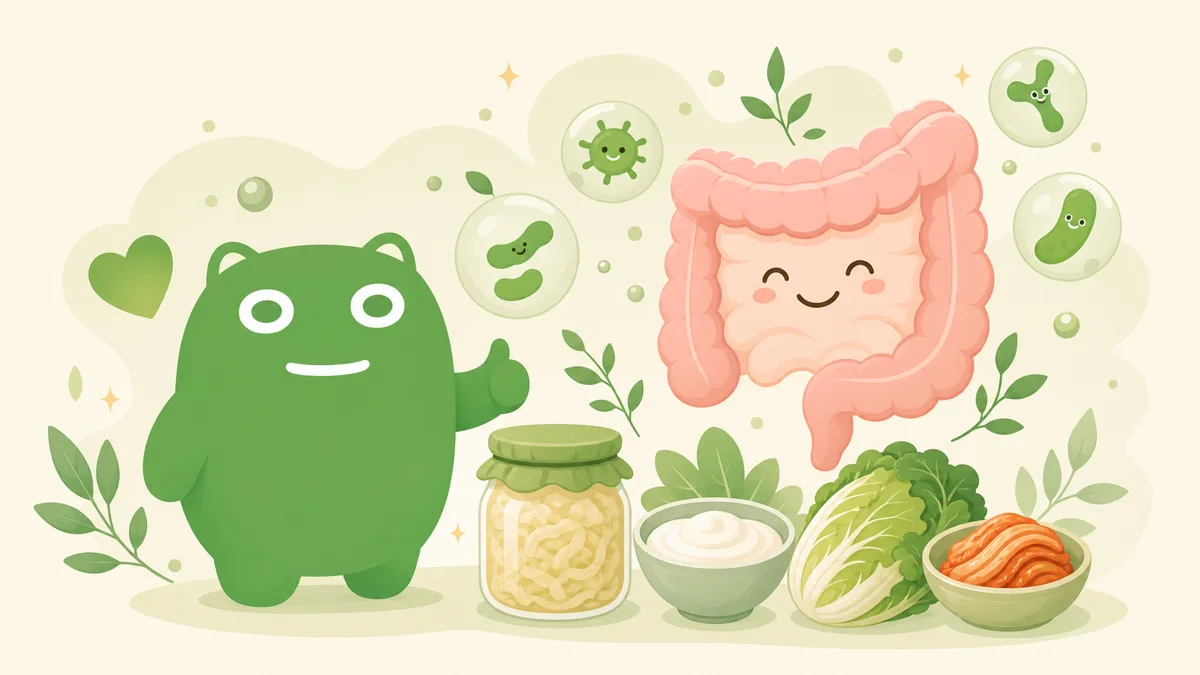
Fermented Foods for Gut Health: A Simple Guide
What fermented foods are, how yogurt, kefir, kimchi, sauerkraut, and more may support your gut, how to add them sensibly, and who should be cautious.
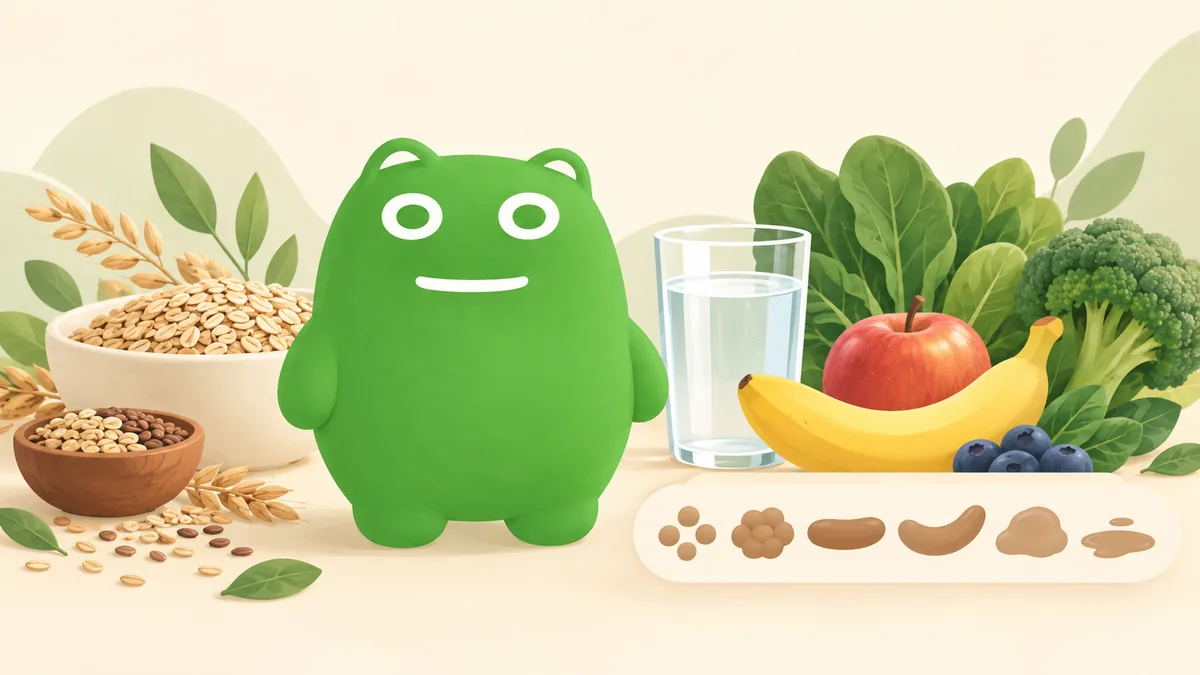
Fiber and Stool Consistency Log: What to Track
Use a fiber and stool consistency log to compare meals, water, Bristol type, timing, and symptoms without treating one bowel movement as proof of a trigger.
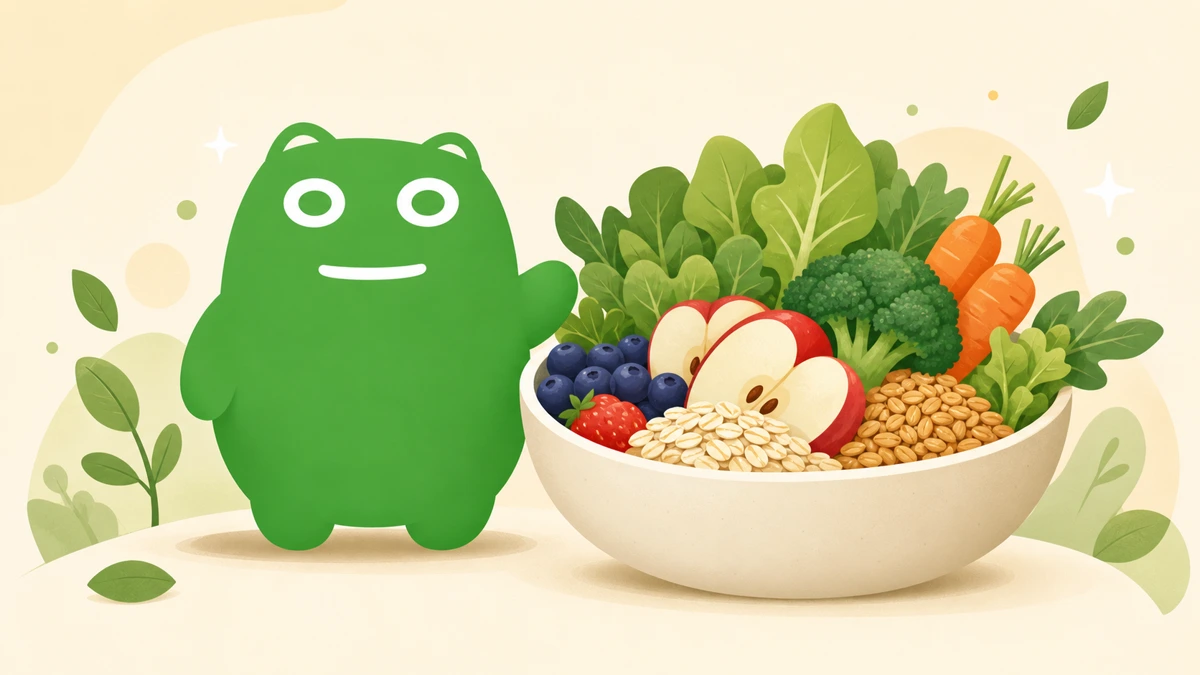
Fiber for Digestion: How It Works and How Much
Learn how soluble and insoluble fiber support digestion and gut health, where to find it, daily targets, and how to add fiber gradually with water.
Fishy-Smelling Urine Causes and UTI Warning Signs
Fishy-smelling urine can reflect hydration, food, vaginal odor, infection, or rare TMAU. Learn the clues to track and which UTI warning signs need care.
Floating Stool Meaning: Gas, Fat, and When to Check
Floating stool is often caused by gas, but repeated oily or hard-to-flush stool can signal digestion issues. Learn what to track.

Foamy Urine: When Bubbles Matter
A calm guide to foamy urine, why bubbles sometimes happen, when persistent foam may suggest protein, and when to ask a doctor.
How to Keep a Food and Symptom Diary
A food and symptom diary can reveal repeated links between meals, stool, urine, bloating, and pain. Learn what to record without overrestricting foods.

Foods That Cause Bloating: How to Find Yours
Common bloating trigger foods include beans, onions, wheat, dairy, and carbonated drinks. Learn how to identify your own pattern safely.
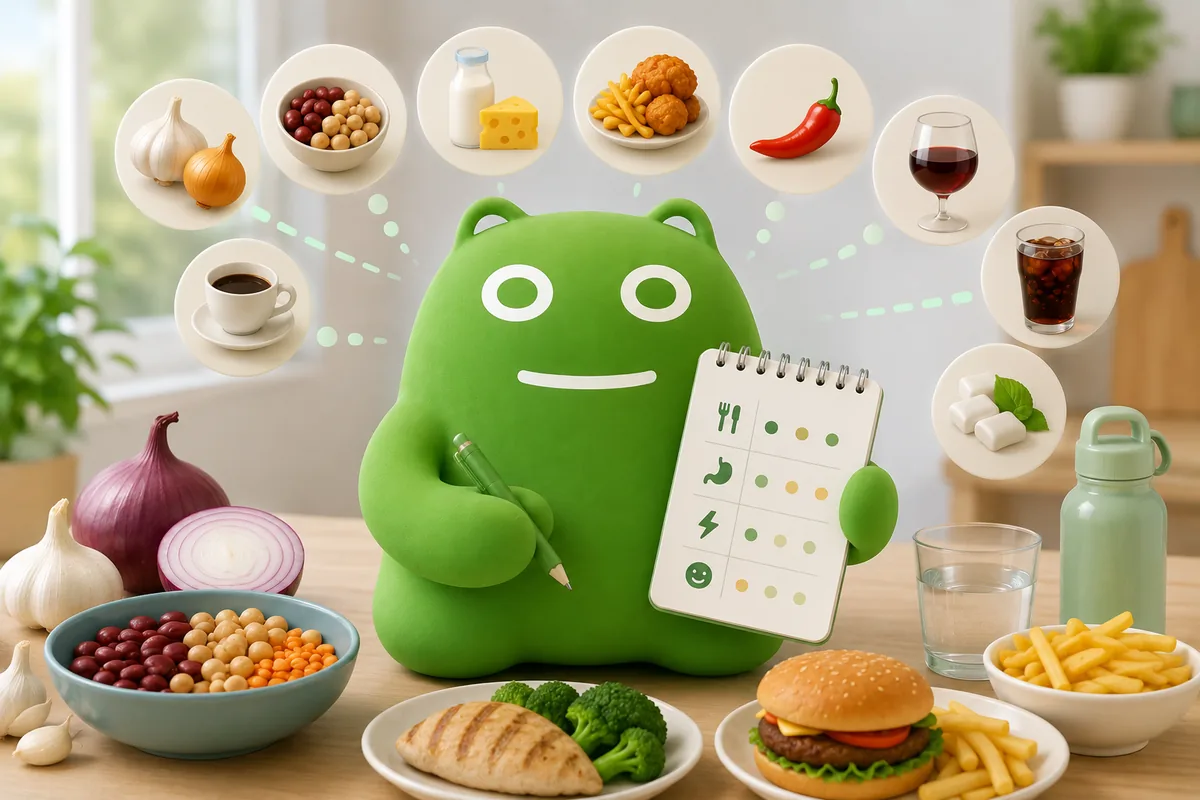
Common Foods That Trigger Digestive Symptoms
Learn which foods often cause gas, bloating, cramps, and loose stool, why triggers are personal, and how a food and symptom diary helps you find yours.
Frequent Morning Bowel Movements: What It Means
Multiple bowel movements in the morning may reflect normal gut reflexes, coffee, meals, or loose stool. Learn what details to track and when to seek care.
Frequent Urination After Alcohol: Why It Happens
Alcohol can increase urination and irritate the bladder. Learn what to track, how hydration fits in, and when urinary symptoms should be checked by a clinician.
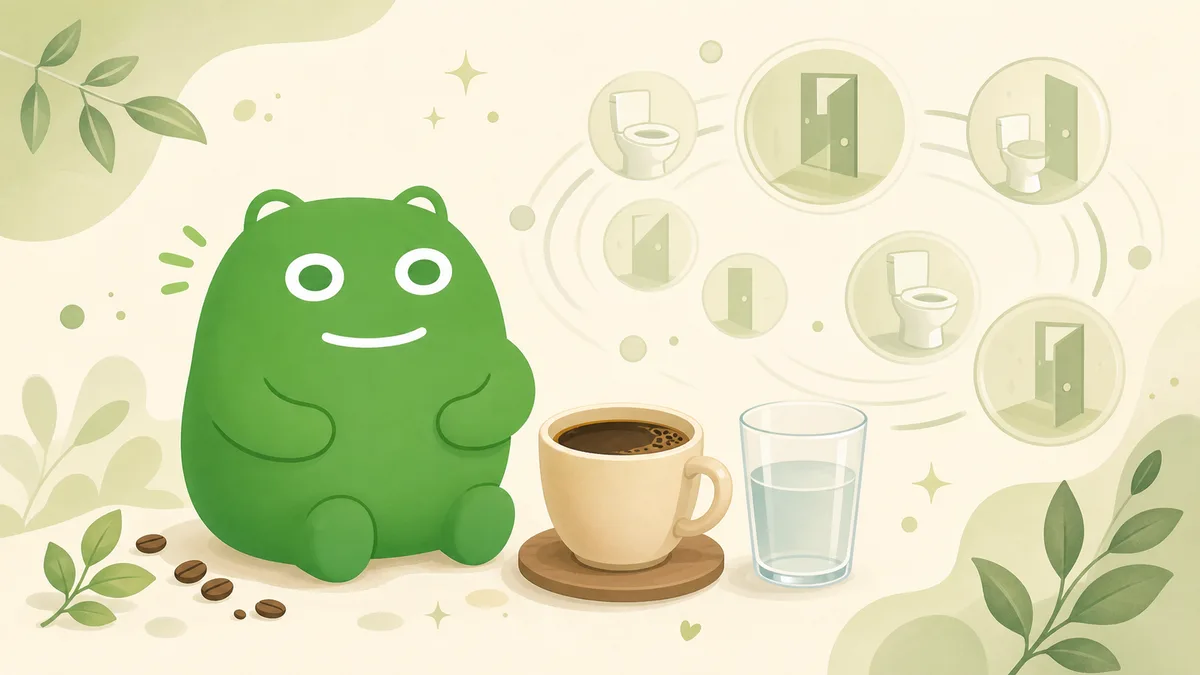
Frequent Urination After Coffee: What to Track
Coffee can make some people pee more often through caffeine and fluid volume. Learn what to track, what to change safely, and when symptoms need care.

Frequent Urination After Drinking Water: Is It Normal?
Urinating more after drinking water is often expected, but timing, volume, thirst, and other symptoms matter. Learn what to track and when to seek care.
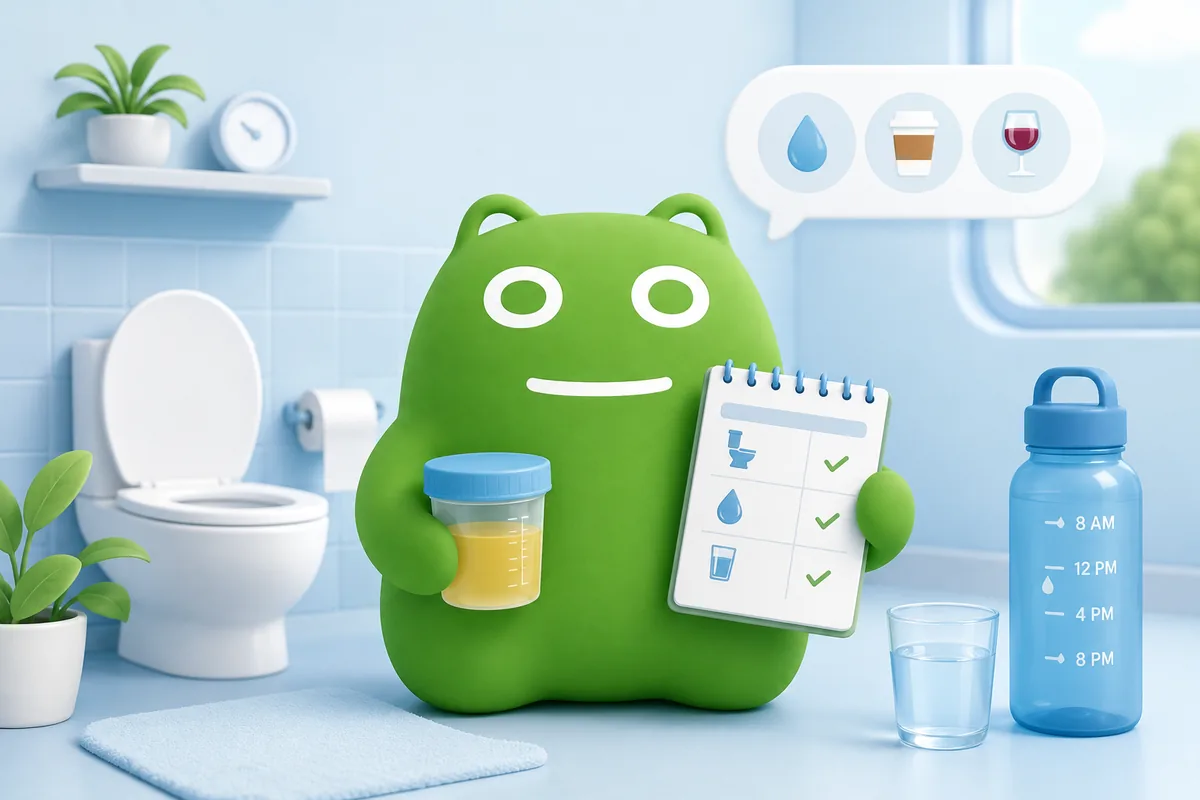
Frequent Urination: Causes and When to See a Doctor
A clear guide to frequent urination: how often is normal, common causes like caffeine, UTIs, and diabetes, and the warning signs to see a doctor about.
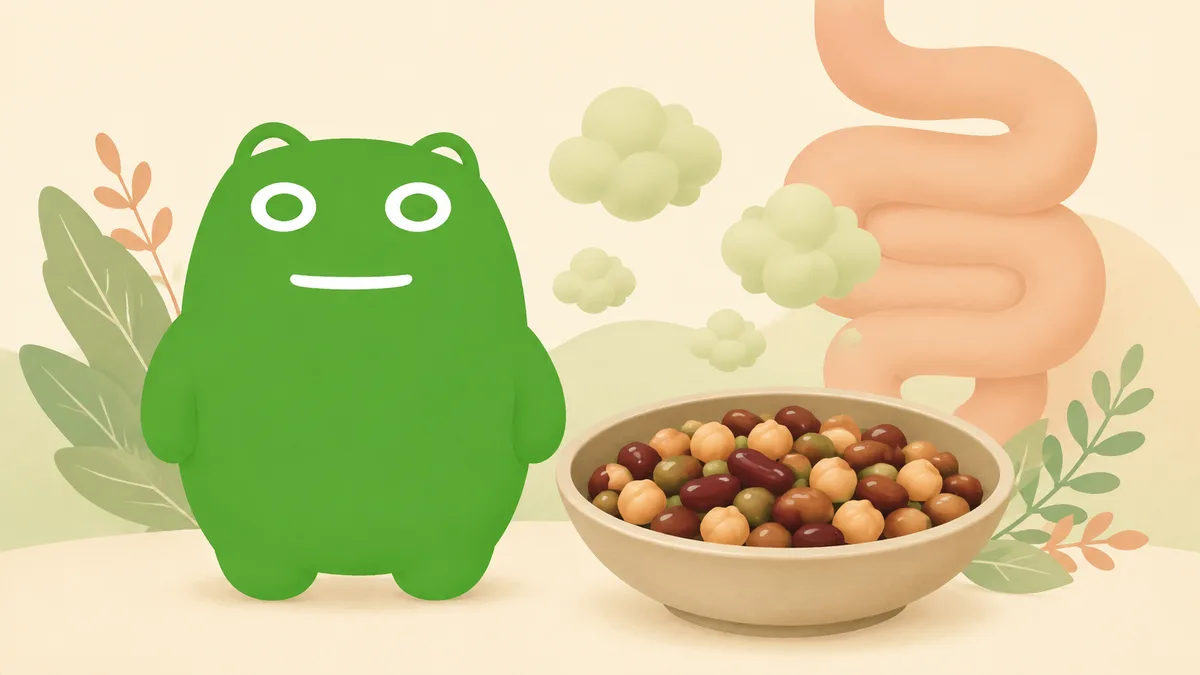
Gas After Eating Beans: Why It Happens
Learn why beans can cause gas through fermentable carbohydrates and fiber, plus practical ways to track portions, cooking, meal patterns, and warning signs.

Gas and Flatulence: Causes and Relief
A calm guide to intestinal gas and flatulence, why gas is normal, the foods and habits that trigger it, practical relief, and when to see a doctor.
Greasy Stool: What It Can Mean for Digestion
Greasy, floating, hard-to-flush stool can come from diet, but persistent oily stool may point to fat absorption issues that need medical review.

Green Stool: Causes and When to Worry
A calm guide to green stool, from leafy greens and food dye to fast transit and iron, plus the red flags that mean you should see a clinician.
Green Urine Causes: Food, Vitamins, and Warning Signs
Green urine can come from dyes, vitamins, medicines, or infection. Learn what to check, what to track, and when to seek care.

Gut-Friendly Breakfast Ideas for Regular Digestion
Build a gut-friendly breakfast with fiber, fluids, and gentle habits that support regular stool without overpromising miracle foods.
Hard Stool: Why It Gets Dry and How to Soften It
Why stool turns hard, dry, and lumpy (Bristol types 1 and 2), the common causes, simple ways to soften it with fiber and fluids, and the red flags to watch.

How Much Water Should You Drink a Day?
How much water you really need each day, why the 8-glasses rule is only rough, and a simple way to gauge your own hydration using urine color and thirst.

How often should you pee in a day?
Learn what can affect daily urination frequency, how water, caffeine, and bladder habits fit in, and when frequent urination needs care.

Hydration and Urine Color Tracker: What to Log
Learn how to pair water intake with urine color in a simple hydration tracker, spot repeat patterns, and prepare a clear, useful summary for a clinician.

IBS symptoms and common triggers
Learn common IBS symptoms, everyday triggers, food and stool patterns to track, and warning signs that should be checked by a clinician.
How Often Should You Poop? Ideal Bowel Movement Frequency
How often should you poop? A clear look at the normal range, from about 3 times a day to 3 times a week, why frequency varies, and when a change is a red flag.
Incomplete Bowel Movement: Why You Still Need to Poop
An incomplete bowel movement feeling can happen with constipation, irritation, or stool pattern changes. Learn why it happens and red flags.

Lactose intolerance: signs and what to do
Learn the common signs of lactose intolerance, how dairy can affect bloating, gas, and stool, and when symptoms need medical review.
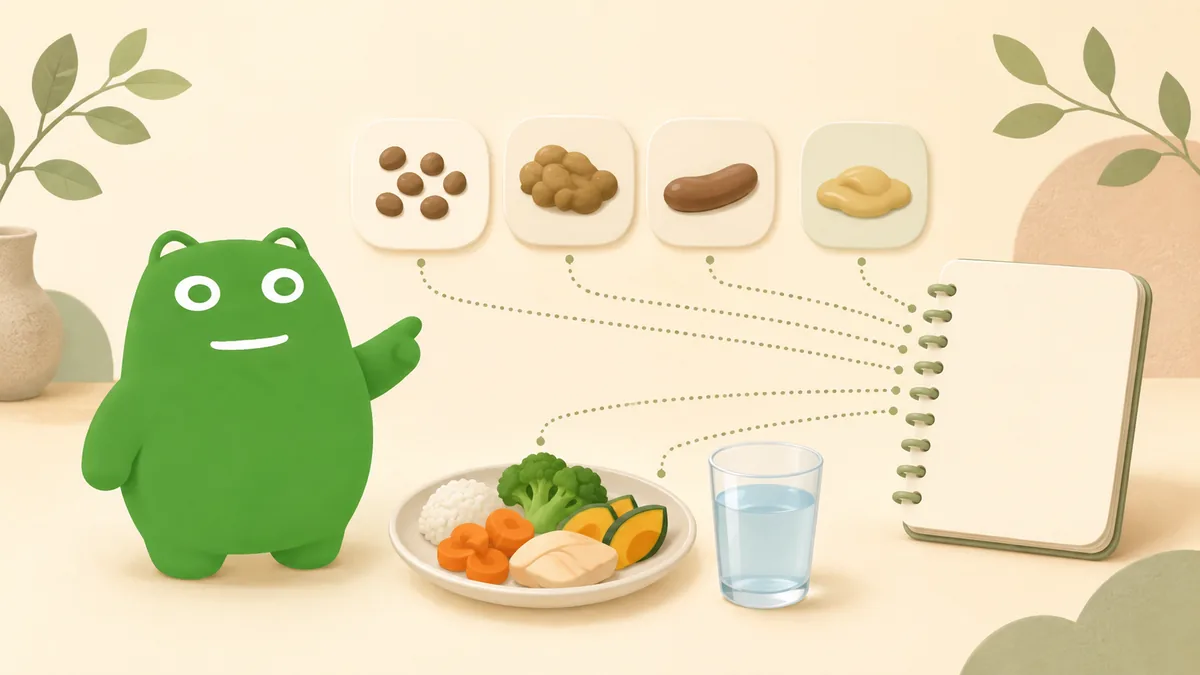
Loose Stool Diary: What to Track for Patterns
Learn how to keep a loose stool diary that connects timing, Bristol type, meals, water, urgency, medicines, and symptoms without assuming a diagnosis.
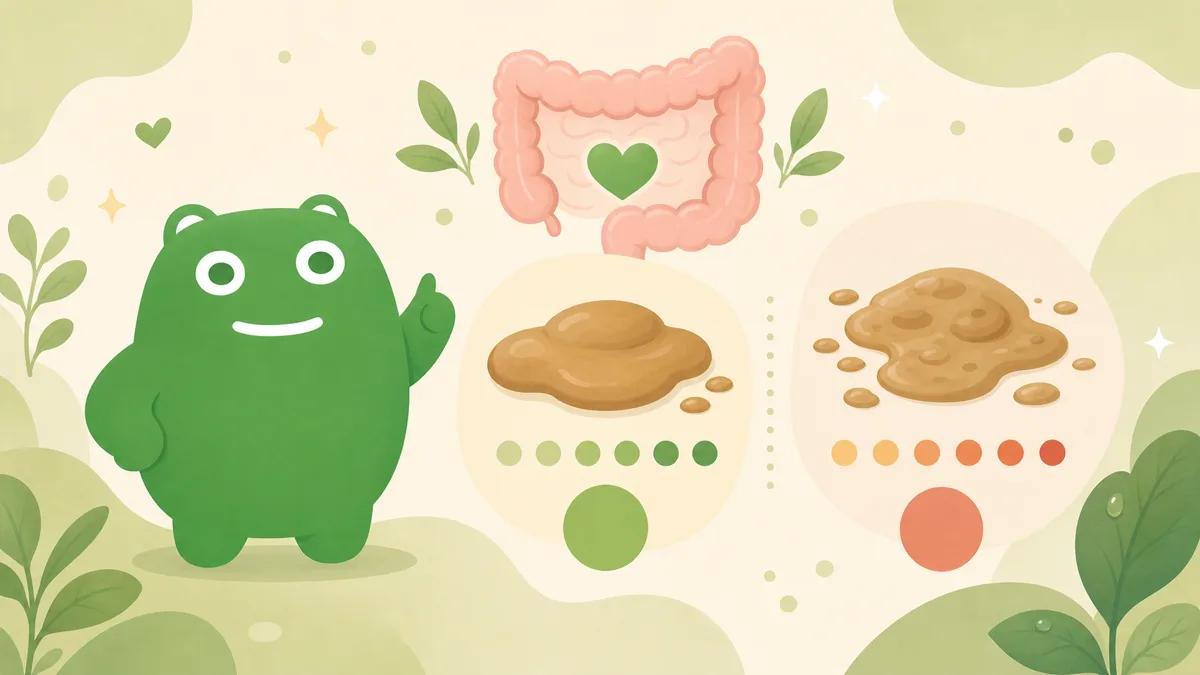
Loose Stool vs Diarrhea: What Is the Difference?
A plain guide to loose stool vs diarrhea: how they differ, the common causes of each, simple ways to manage at home, and the red flags that mean see a doctor.

Low-FODMAP Foods for a Sensitive Gut
A practical guide to low-FODMAP foods, how the diet is used for sensitive digestion, and when to get professional help for gut symptoms.
Why You Poop in the Morning (and How to Build a Routine)
Morning bowel movements are common thanks to the gastrocolic reflex, circadian rhythm, waking, and coffee. Learn how to build a routine and what to track.
Morning Diarrhea After Coffee: Causes and Tracking Tips
Why coffee can trigger morning diarrhea, when loose stool is not normal, and how to track caffeine, meals, water, and bowel patterns privately.

Mucus in Stool: What It Means
A calm guide to mucus in stool, why a small amount is normal, common causes like dehydration and constipation, and when rising mucus means see a doctor.
Mucus in Stool: Normal Causes and When to Worry
Mucus in stool can be normal in small amounts, but patterns with blood, pain, diarrhea, fever, or weight loss deserve medical advice.
Why Am I Bloated at Night? Causes and What to Track
Bloated at night? Meal timing, gas, constipation, and food triggers may play a role. Learn what patterns to track and when to seek medical advice promptly.

Bladder Diary for Nighttime Urination
Keep a simple 1-2 week bladder and fluid diary to understand nighttime urination. Learn what to log, which patterns are common, and when to ask a clinician.
Nocturia: Why You Pee at Night and What to Track
Nighttime urination can come from evening fluids, caffeine, alcohol, sleep issues, medicines, or urinary conditions. Learn what to track.
Not Peeing Much: Hydration Clues to Track
Peeing much less than usual can reflect low fluid intake, sweating, vomiting, diarrhea, or medical causes. Learn hydration clues and red flags.
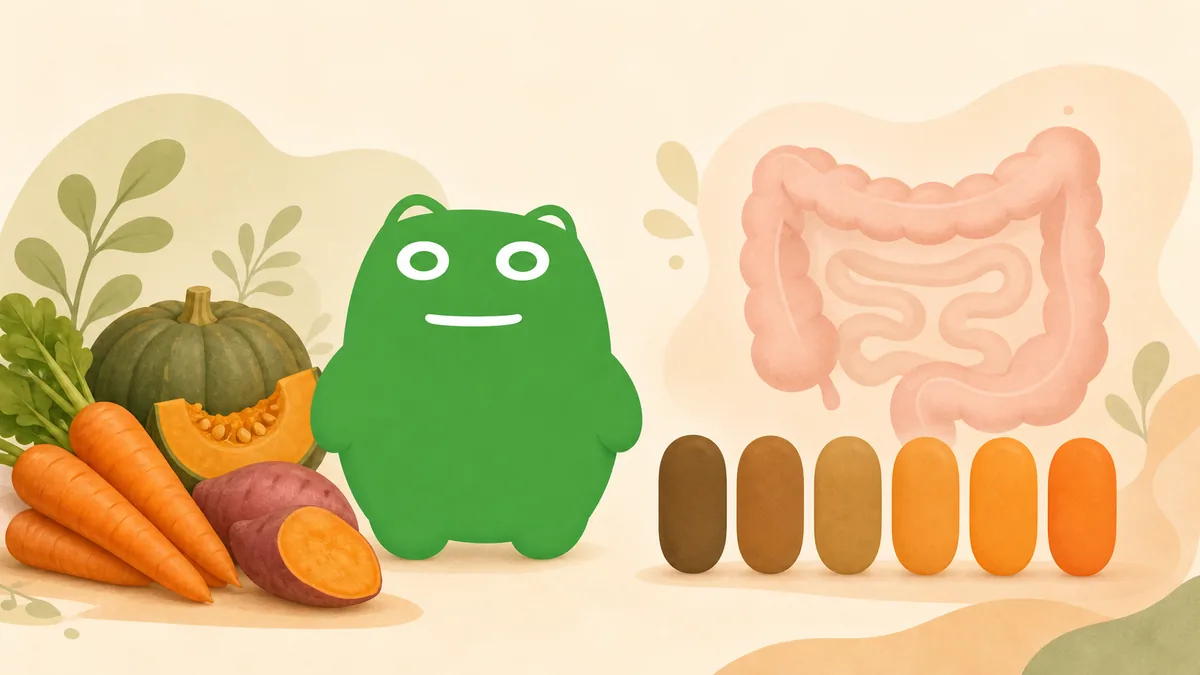
Orange Stool: Common Causes and When to Worry
Orange stool often comes from food pigments, supplements, or faster digestion. Learn which changes matter, what to track, and when to ask a clinician.
Why Is My Pee Orange? Causes and Red Flags
Orange pee is often linked to dehydration, vitamins, foods, or medicines. Learn what to track and when orange urine needs medical review.

Painful Bowel Movements: Common Causes
Pain during bowel movements can come from hard stool, fissures, hemorrhoids, or irritation. Learn what to track and when to seek care.
Pale Stool: What It Can Mean and When to Worry
Pale or clay-colored stool can come from bile flow changes, foods, or medicines. Learn what to track and when to call a doctor.
Pebble Poop: Causes, Meaning, and What Helps
Pebble poop often points to constipation, low fluid intake, or slow gut movement. Learn what it means, what to track, and red flags.
Pencil Thin Stool: Causes and When to Worry
Learn what pencil thin stool can mean, common temporary causes, warning signs to take seriously, and how tracking stool shape helps you see patterns.
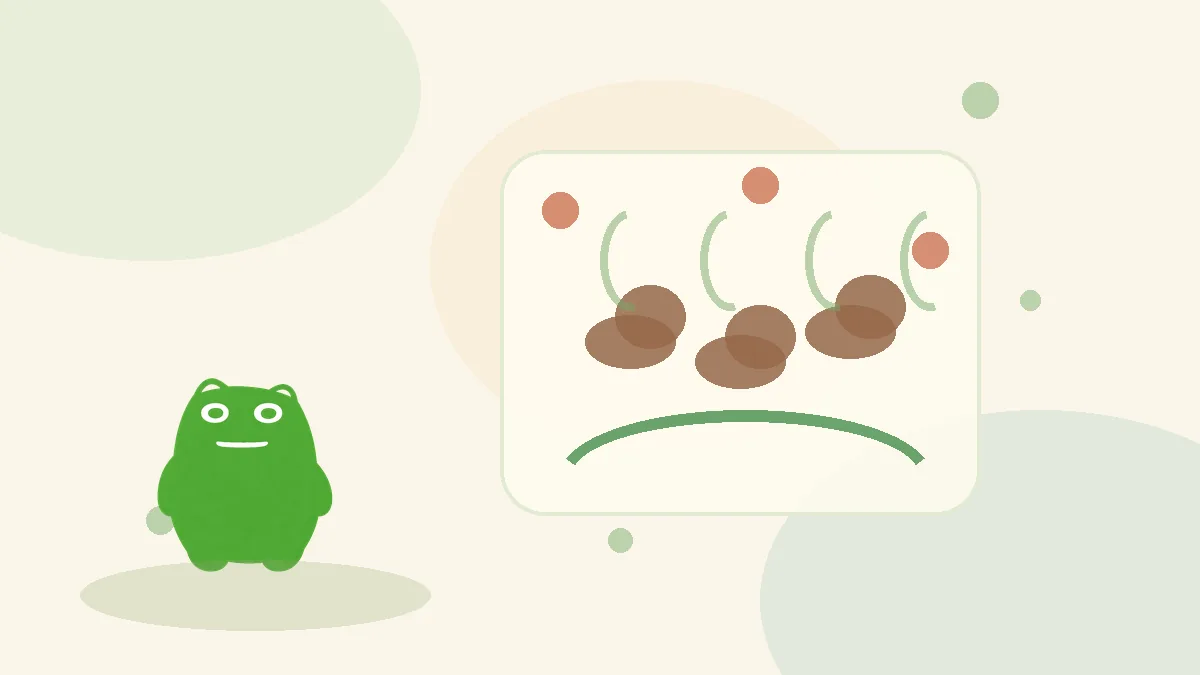
Foul-Smelling Poop: Causes and Red Flags
Foul-smelling poop can follow foods, diarrhea, supplements, or infection. Learn what odor changes matter and when to get checked.
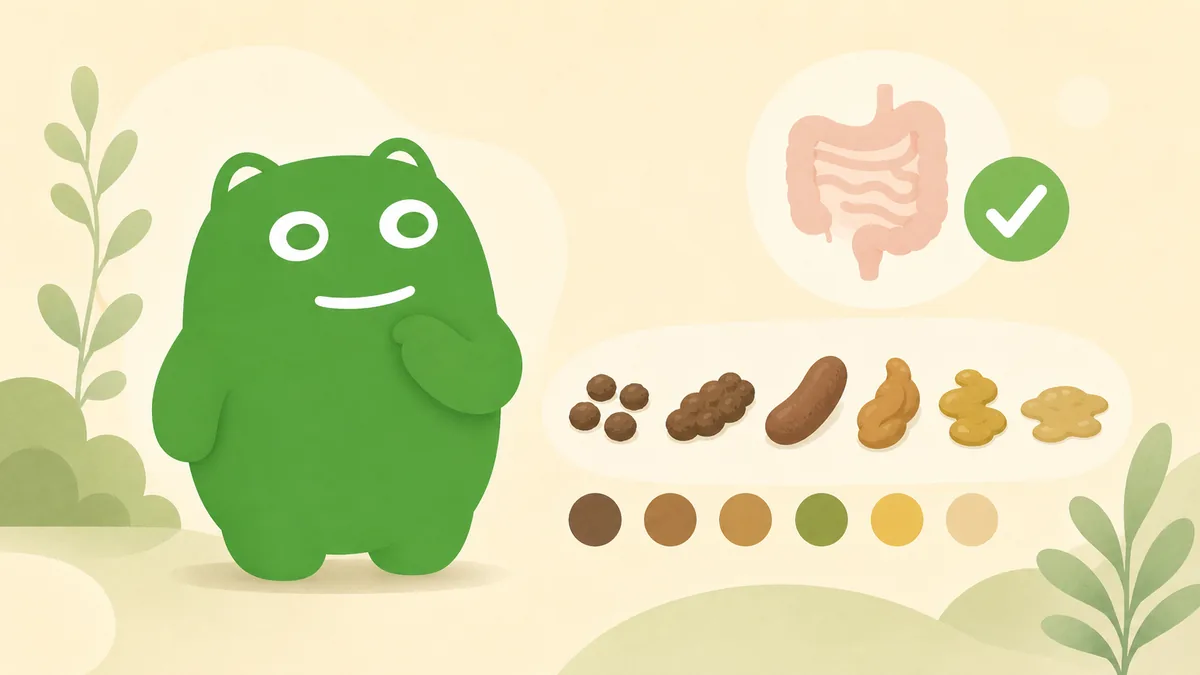
Poop Tracker App: What to Log and Why
Learn what a poop tracker app should record, how to spot useful bowel patterns, and how private daily logging can safely prepare you for a doctor visit.
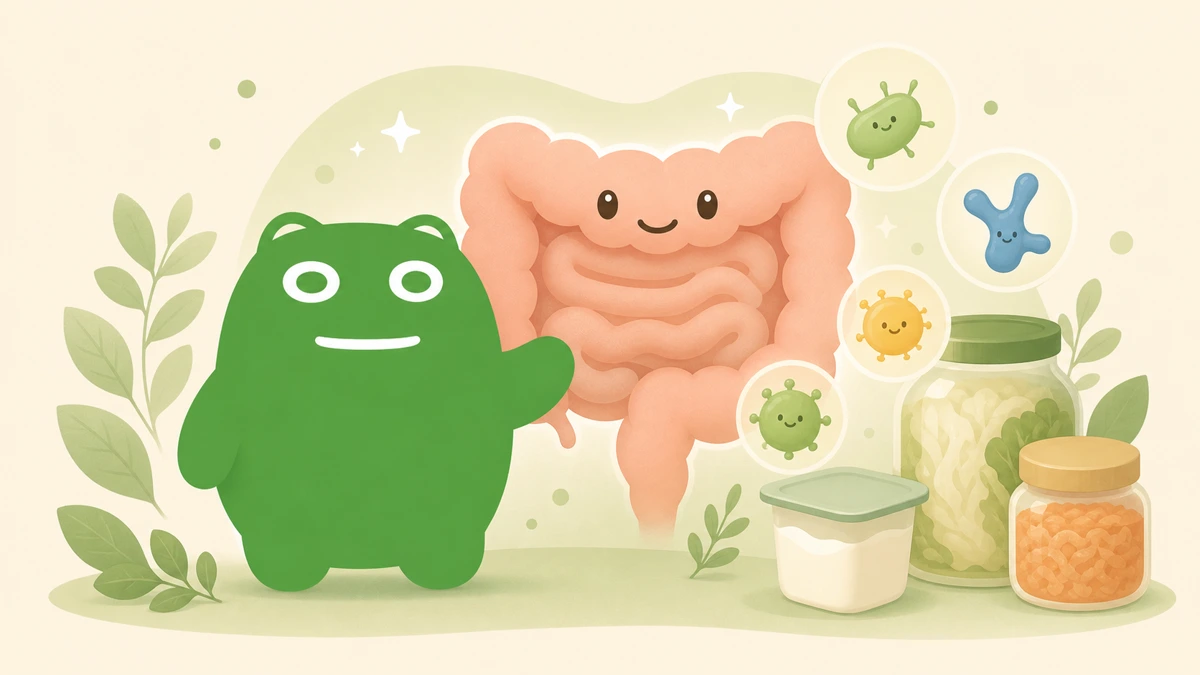
Probiotics and Gut Health: Strains, Sources, Evidence
What probiotics are, common strains, food versus supplements, how prebiotics differ, what the evidence does and does not show, plus safety notes.
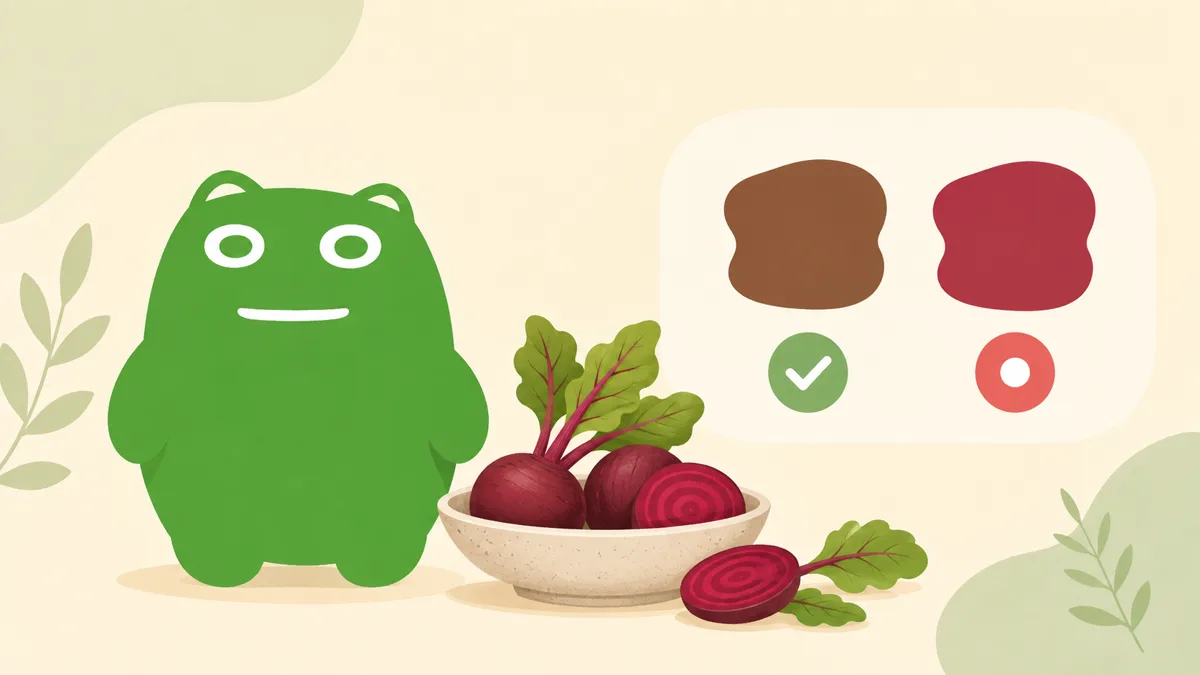
Red Stool After Beets: Food Color or Blood?
Red stool after beets is often harmless, but timing, texture, repeat episodes, symptoms, and food notes help tell beet pigment from possible blood in stool.

Red Urine: Food, Medication, or Blood?
Red or pink urine may come from foods, medicines, or blood. Learn what to check, when to seek care, and how to track patterns.
Runner's Diarrhea Causes and Prevention Tracking
Runner's diarrhea can be linked to running load, food, fluids, and stress. Learn likely causes, practical prevention tracking, and red flags that need care.
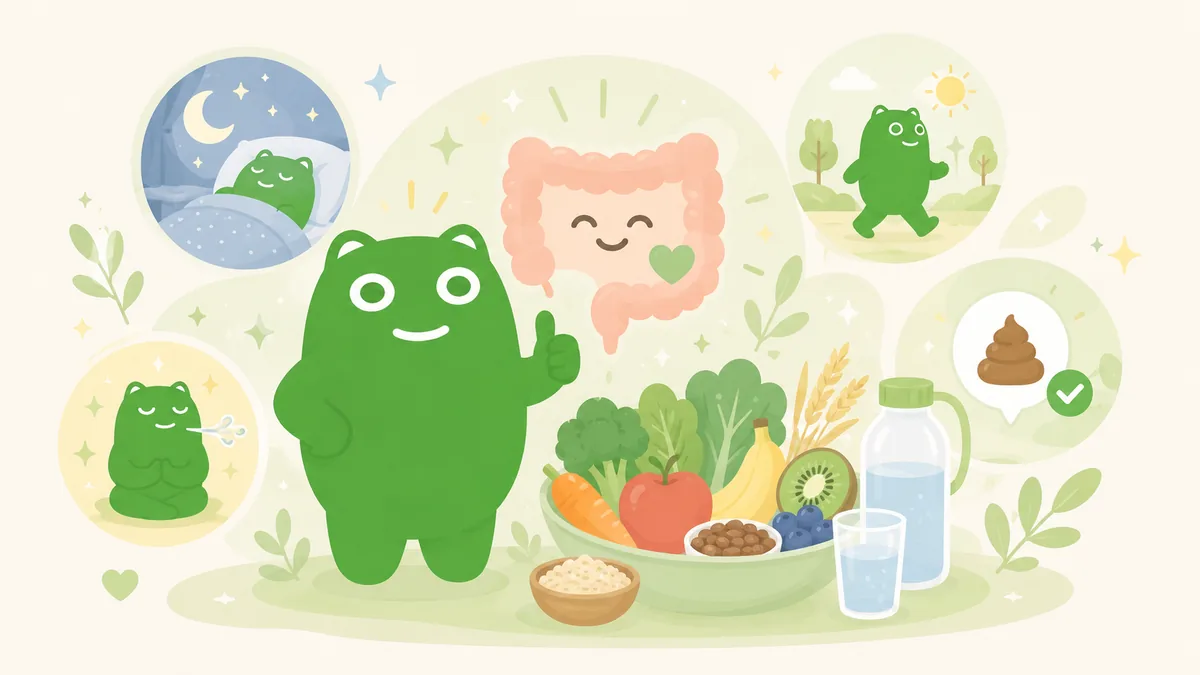
Signs of a Healthy Gut and How to Support It
Learn the everyday signs of a healthy gut, what throws digestion off, and simple, evidence-informed ways to support gut health through food and habits.
Signs of Dehydration and How to Rehydrate
Learn the early signs of dehydration like thirst and dark urine, the more serious warning signs, who is most at risk, and simple ways to rehydrate well.

Signs of Overhydration and What to Do
Drinking too much water can dilute sodium in rare cases. Learn signs of overhydration, who is at risk, and how to track safely.

Sleep and Gut Health: How They Connect
Sleep and digestion influence each other through the circadian rhythm and gut microbiome. Learn the two-way link, helpful habits, and what to track.
Small Frequent Bowel Movements: What They Mean
Passing small stools often may reflect constipation, incomplete emptying, diet changes, or irritation. Learn what details to track and when to seek care.
Soluble vs Insoluble Fiber for Digestion
Soluble and insoluble fiber affect stool, gas, and bowel rhythm differently. Learn how to increase fiber without worsening symptoms.
Stomach Pain After Spicy Food: Why It Happens
Spicy food can trigger burning, cramps, reflux, or diarrhea after meals. Learn common causes, what to track, how to adjust meals, and when to seek care.
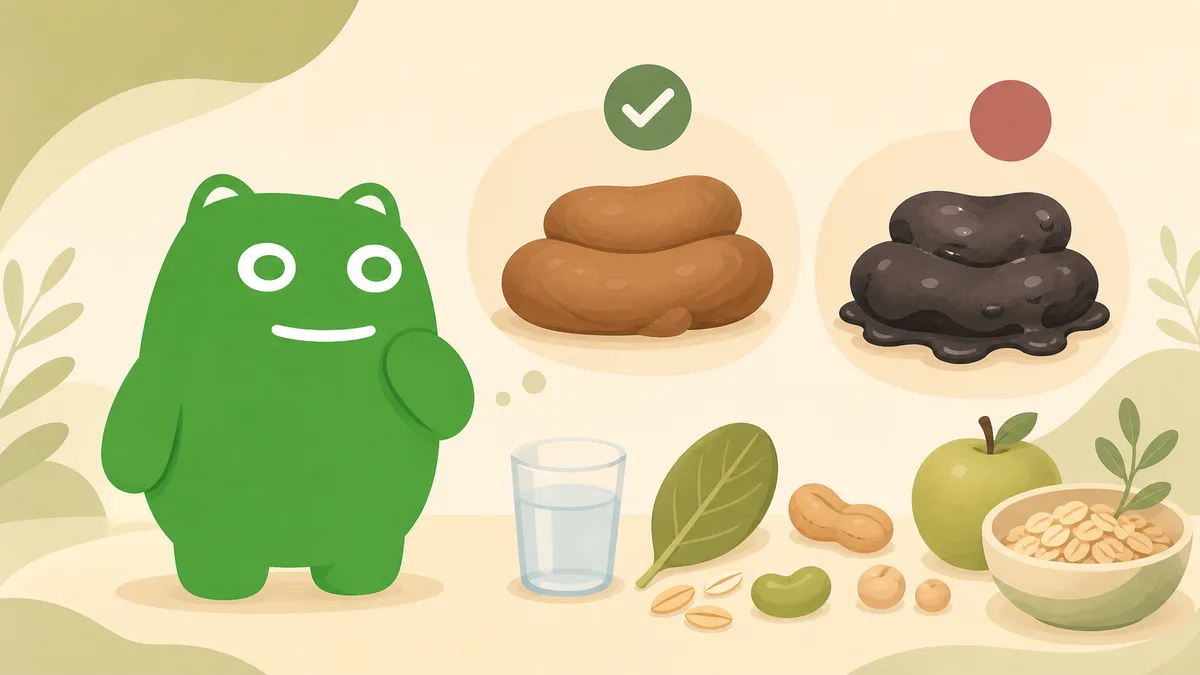
Sticky Stool Causes and What to Do
Sticky stool can come from diet, mucus, or fat malabsorption. Learn what to track, what helps, when tarry or greasy stool needs care, and warning signs.
Stomach Growling at Night: Causes and What to Do
Nighttime stomach growling can come from hunger, digestion, gas, or normal intestinal movement. Learn what to track and which related symptoms need care.

Stomach Pain After Coffee: Causes and What to Do
Stomach pain after coffee may relate to acid, caffeine, add-ins, or gut sensitivity. Learn what to track, what to try, and when to seek medical care.

Stomach Pain After Eating: Common Causes and When to Worry
Learn why your stomach hurts after eating, the common causes like indigestion, trigger foods, reflux, and IBS, simple ways to feel better, and warning signs.
Mucus and Stool Changes After Antibiotics: What to Know
Noticed mucus or other stool changes after antibiotics? Learn what details to track and which persistent or severe symptoms need prompt medical advice.
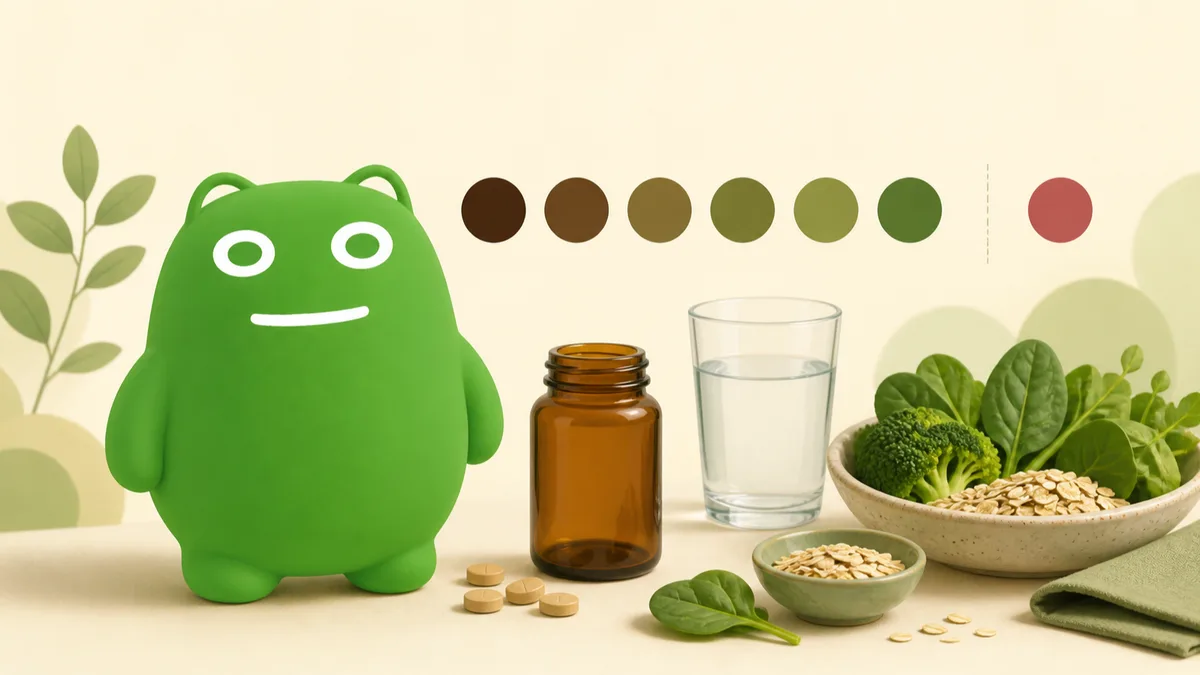
Stool Changes After Iron Supplements: What to Know
Iron supplements can darken stool and cause constipation. Learn expected changes, what to track, and when black stool or possible bleeding needs prompt care.

Stool Color Chart: What Each Poop Color Means
A simple stool color chart explaining what brown, green, yellow, black, red, or pale clay-colored poop can mean and which colors are a red flag.
Stool Urgency After Eating: Why It Happens
Stool urgency after eating can come from the gastrocolic reflex, caffeine, fatty meals, stress, or diarrhea triggers. Learn what patterns to track.
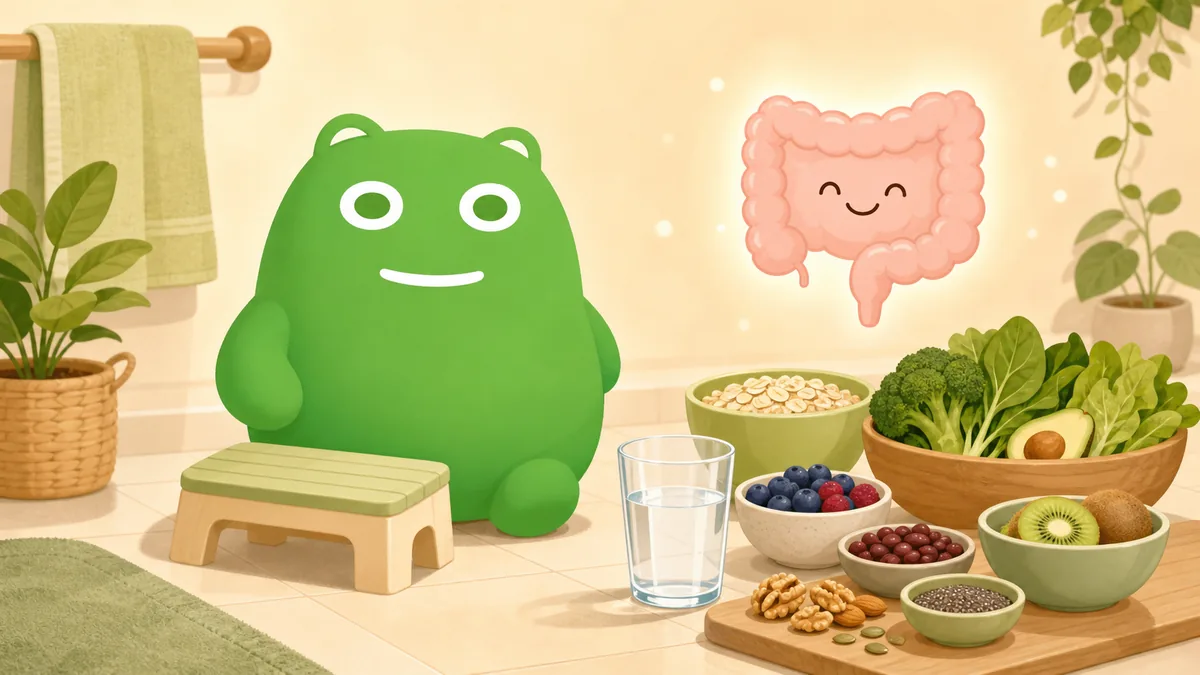
Straining to Poop: Causes and What to Do
Straining to poop often comes from hard stool, constipation, or bathroom habits. Learn what to track, gentle steps to try, and signs that need care now.

How Stress Affects Digestion: What Helps?
Stress can change how your gut moves and feels through the gut-brain axis. Learn common symptoms, what helps, and what to track.
Strong-Smelling Urine Causes: Food, Hydration, UTI
Strong-smelling urine can come from dehydration, foods, vitamins, or infection. Learn what changes are normal and when to get help.
Sudden Change in Bowel Habits: What to Track
A sudden bowel habit change can follow stress, travel, infection, diet, or a medical issue. Learn what patterns and red flags to watch.
Sweating and Hydration Needs: What to Watch
Sweating changes fluid needs, urine color, and thirst. Learn how to track hydration without overdoing water or missing warning signs.
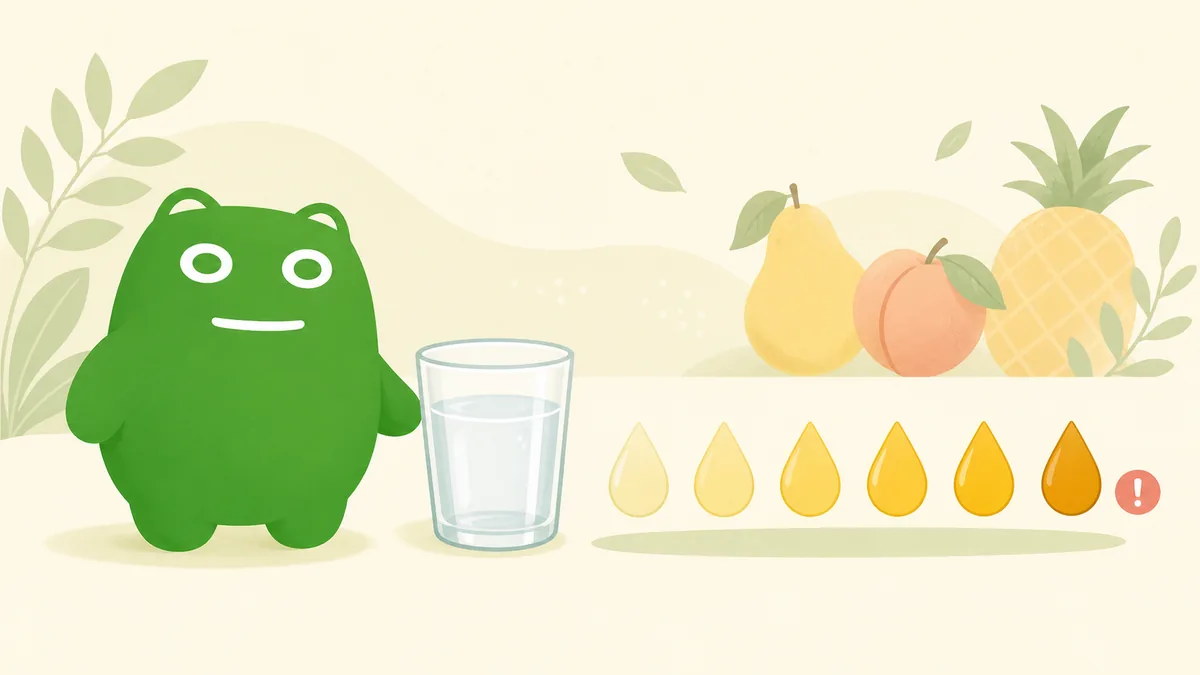
Sweet-Smelling Urine: Causes and Warning Signs
Sweet or fruity-smelling urine can reflect food, dehydration, or a medical issue. Learn what changes to track and when the odor needs prompt medical care.

Too Much Fiber: Gas, Bloating, and Balance
Fiber helps digestion, but adding too much too fast can cause gas and bloating. Learn how to track intake, water, and symptoms.

Travel Constipation: Why It Happens and How to Beat It
Why travel often causes constipation, how to prevent it before and during a trip, simple ways to find relief on the road, and the red flags to watch for.
Undigested Food in Stool: What It Means
Seeing undigested food in stool is often harmless. Learn common causes, tracking tips, and when diarrhea, blood, weight loss, or greasy stool needs care.
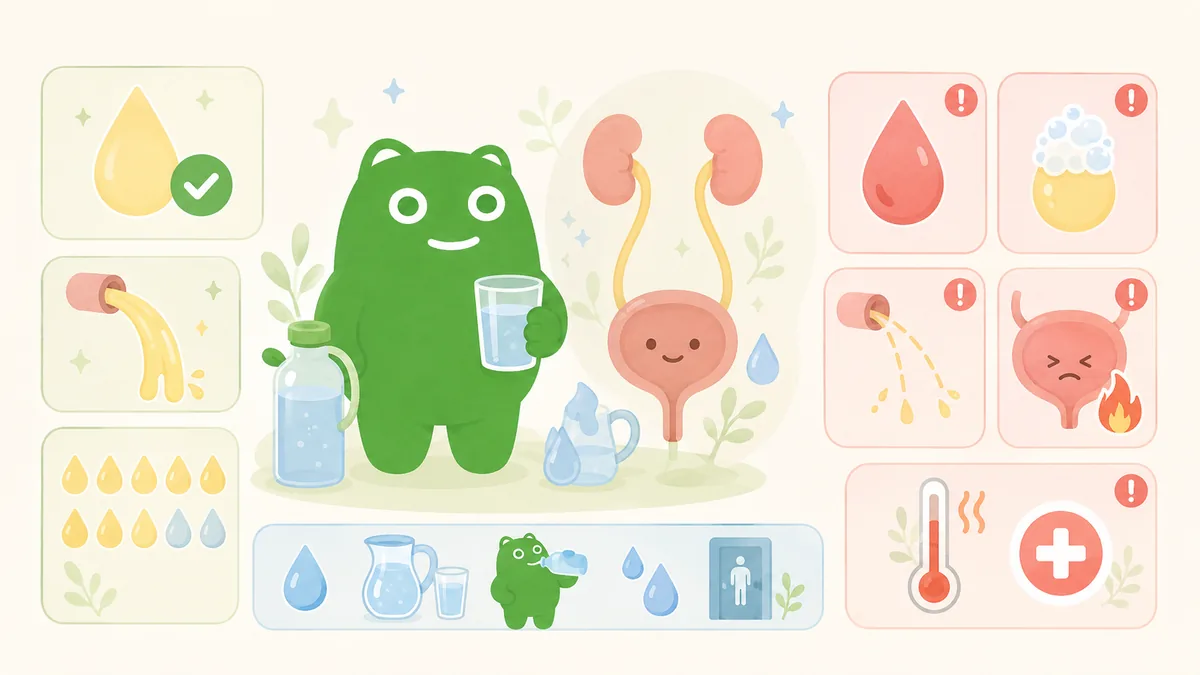
Urinary Health: What's Normal and When to See a Doctor
A clear guide to normal urination, common warning signs like burning, blood, or foamy urine, UTIs, and when urinary symptoms mean it is time to see a doctor.
Sudden Urge to Pee: Causes and Warning Signs
A sudden urge to pee may come from fluids, caffeine, UTI, overactive bladder, medicines, or pregnancy. Learn what to track and when to seek care safely.

Urine Color Chart: What the Color of Your Pee Means
A clear urine color chart explaining what pale yellow, dark amber, clear, red, or foamy pee can tell you about your hydration and health.
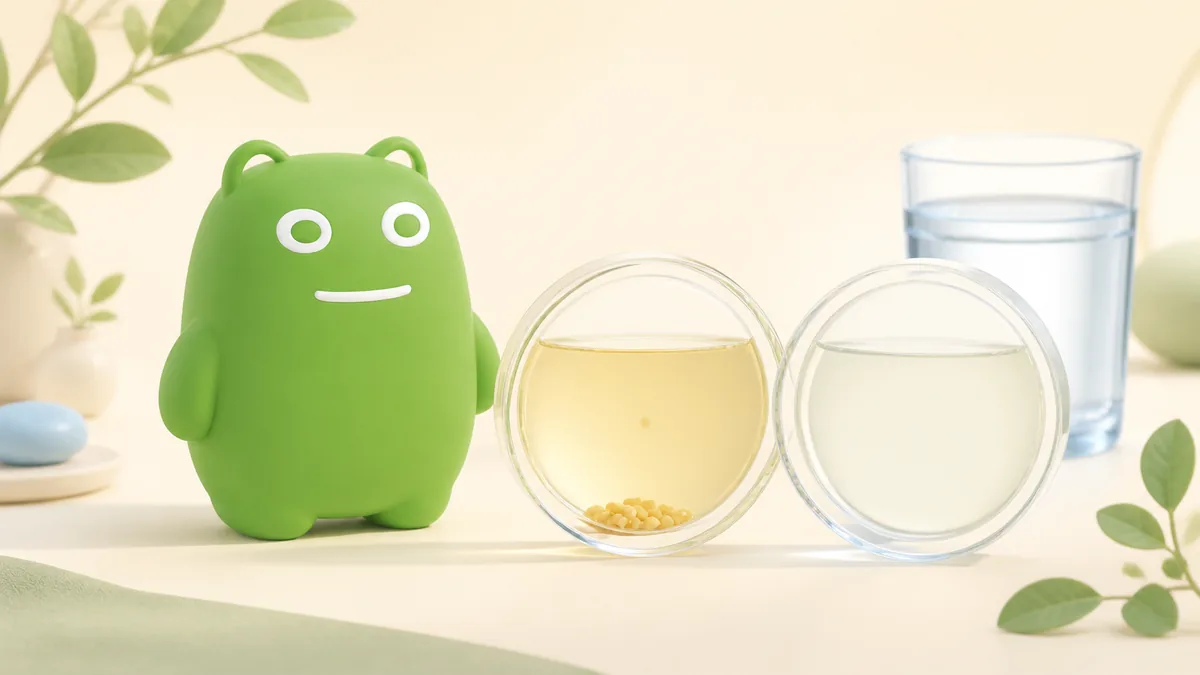
Sediment in Urine: Common Causes and Warning Signs
See what particles or sediment in urine may mean, from harmless crystals and discharge to infection signs, and learn when a urine change needs medical care.
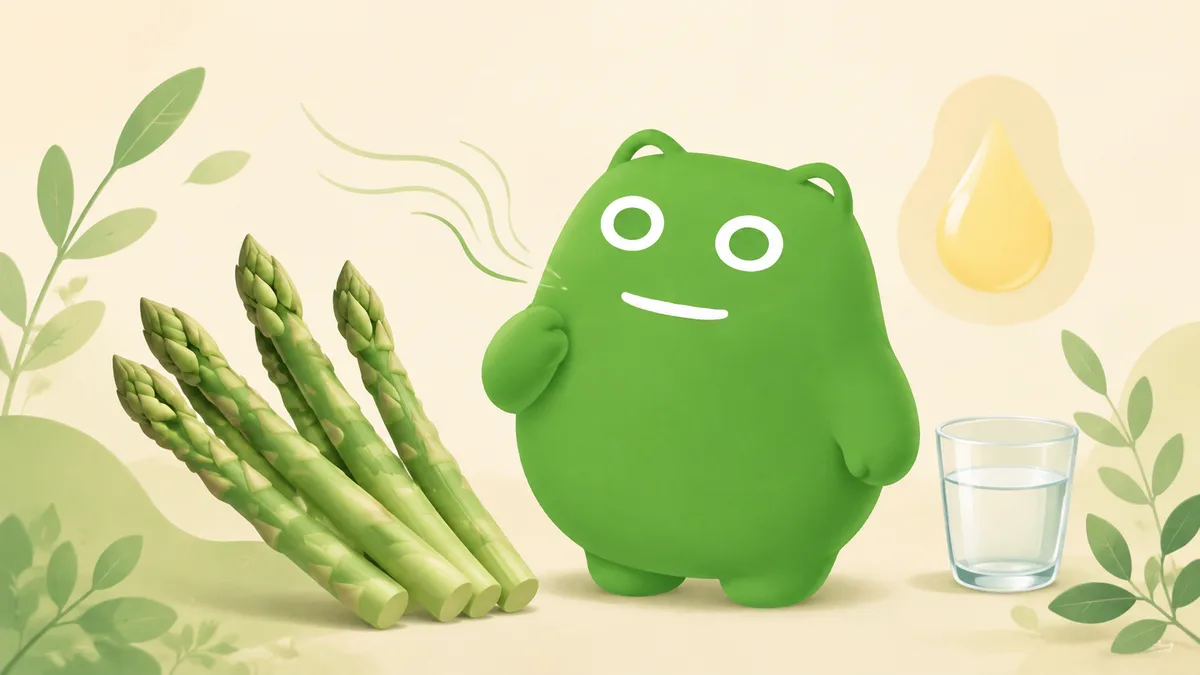
Urine Smell After Asparagus: Is It Normal?
Urine smell after asparagus is usually a temporary food effect. Learn why it happens, what patterns to track, and when a persistent odor may need medical care.

Urine Smells Like Ammonia: Causes and Care
Urine that smells like ammonia is often concentrated from low fluids, but food, vitamins, medicines, or UTI symptoms can change what it means over time.

Urine Smells Like Coffee: Causes and Care
If urine smells like coffee, it is usually temporary after coffee, concentrated urine, or supplements. Learn what to track and when symptoms need care.
UTI Warning Signs You Should Not Ignore
Recognize common UTI warning signs, kidney infection red flags, what to do next, and how symptom tracking can support a doctor visit.
Drinking Water After Meals: Does It Help Digestion?
Water after meals does not usually harm digestion and may support hydration. Learn when it helps, when to slow down, and what to track.
Drinking Water Before Bed: Pros, Cons, and Nocturia
Water before bed can help thirst, but too much may wake you to pee. Learn how to balance hydration with sleep and nighttime urination.

Water Intake by Body Weight: Does the Formula Work?
The popular rules that scale water to body weight, like 30 to 35 mL per kg, explained as rough estimates, plus why authorities give fluid ranges instead.
Watery Diarrhea After Eating: Causes to Track
Watery diarrhea after meals may come from infection, food intolerance, high-FODMAP foods, caffeine, or gut sensitivity. Learn what to track and when to seek help.
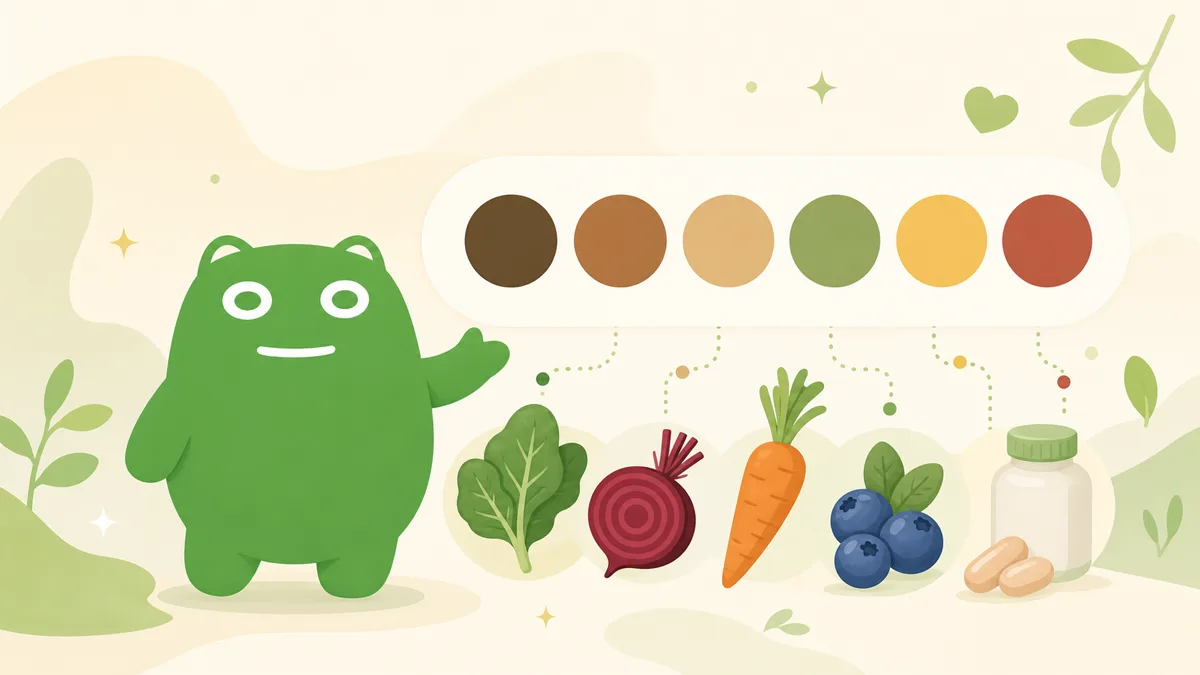
What Affects Stool Color: A Color-by-Color Guide
Why stool is normally brown, how food, dyes, iron, and medications change the color, and which stool colors are usually harmless versus a red flag.
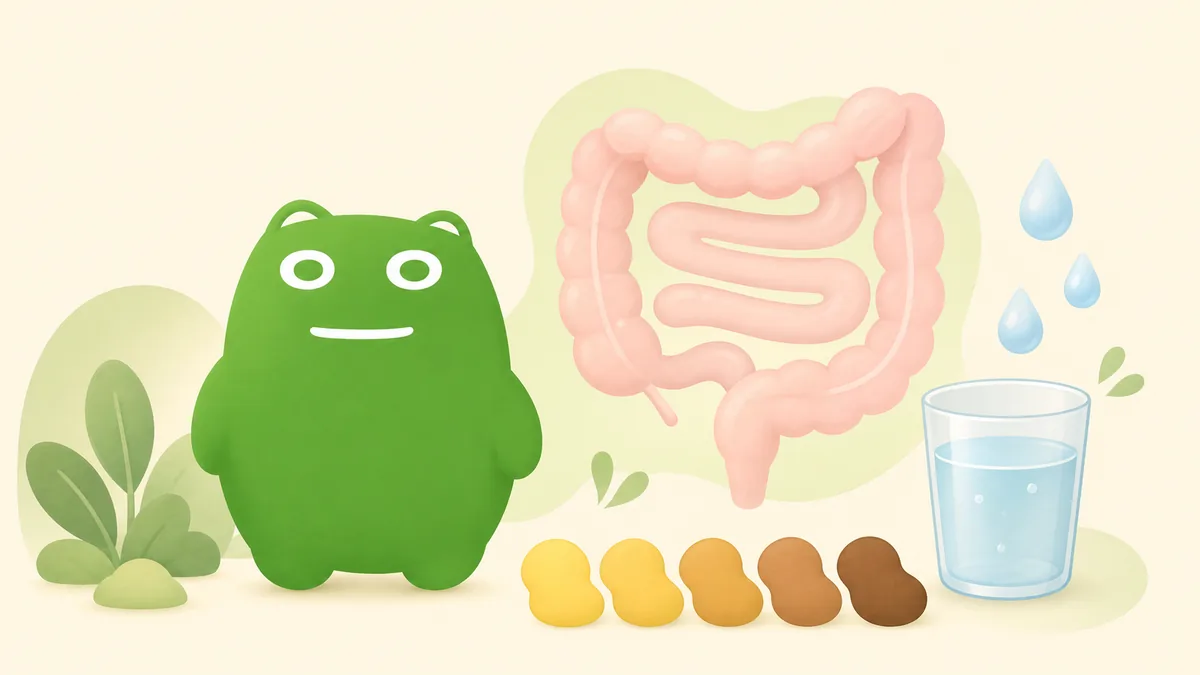
Yellow Diarrhea: Causes and When to Get Help
Yellow diarrhea may result from rapid gut transit, infection, food triggers, or poor fat absorption. Learn what to track, how to hydrate, and when to seek care.
Yellow Poop: Causes, Greasy Stool, and Red Flags
Yellow poop can come from food, fast digestion, or fat absorption issues. Learn what to track and when yellow stool needs care.