
Probiotics and Gut Health: Strains, Sources, Evidence
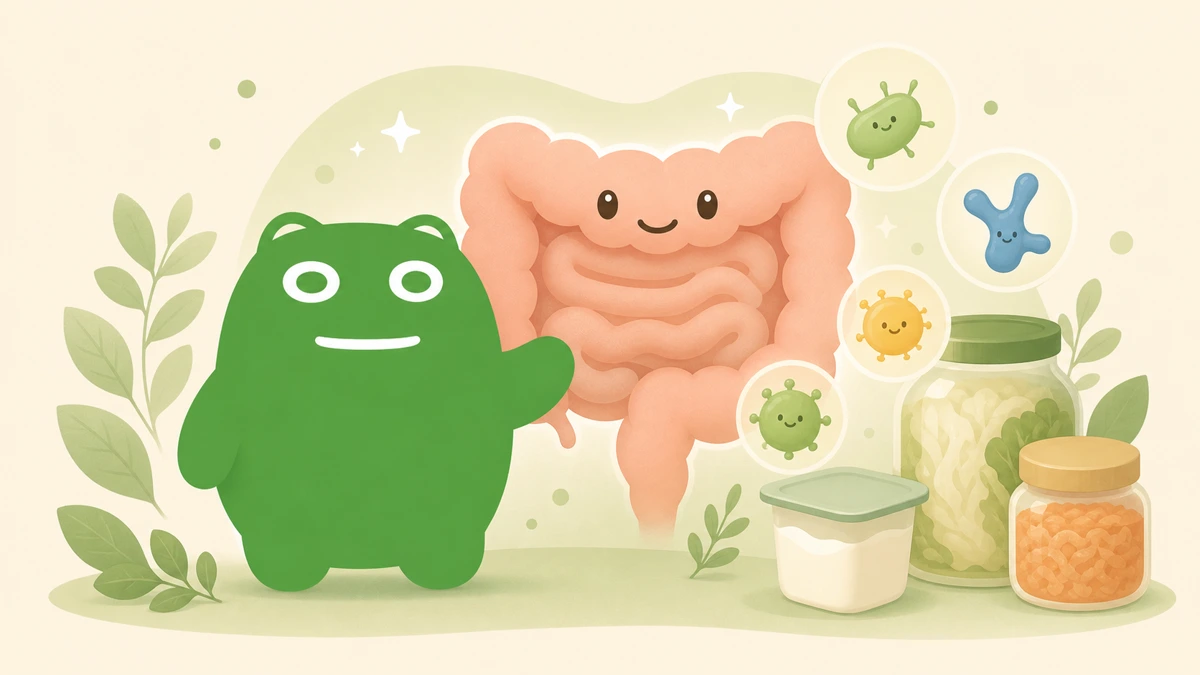
Probiotics show up in yogurt aisles, supplement shelves, and countless health claims. They can be a useful part of a gut-friendly routine, but it helps to know what they actually are, which forms exist, and what the evidence honestly supports before spending money or expecting a miracle.
The quick answer
Probiotics are live microbes, usually specific strains of bacteria and sometimes yeasts, that may benefit the gut when consumed in adequate amounts. They may help support a balanced microbiome and comfortable digestion, but their effects are strain-specific and vary from person to person, so honest language is “may help” rather than “will fix.” You can get them from probiotic foods or from supplements, and prebiotic fibers are what feed these microbes. Persistent or alarming digestive symptoms deserve a doctor’s attention rather than a supplement alone.
What probiotics are
Your gut is home to a large, diverse community of microbes that helps with digestion, immune function, and more. Probiotics are live microbes you add to that community on purpose. To count as a probiotic, a microbe generally needs to be a defined strain, survive digestion, and have some evidence of a benefit.
Most probiotics belong to a handful of well-studied groups. Common bacterial genera include Lactobacillus and Bifidobacterium, and a yeast called Saccharomyces boulardii is also used. Within each genus there are many species and strains, and this detail matters more than it sounds: a benefit shown for one specific strain does not automatically apply to another.
How they may support gut health
The idea behind probiotics is that adding helpful microbes, even temporarily, may nudge the gut toward better balance and function. Research suggests certain strains may help in specific situations, such as easing some cases of antibiotic-associated diarrhea or supporting comfort in some people with digestive complaints.
It is worth keeping expectations realistic. Most probiotics do not settle in and colonize your gut permanently, so any effect usually fades once you stop. They are best seen as one possible habit alongside fiber, fluids, sleep, and movement, not a standalone cure for gut problems.
Common sources: foods and supplements
There are two main ways to get probiotics.
- Probiotic foods. Yogurt and kefir with live active cultures are the most familiar sources. Some other fermented foods can contain live microbes too, though cooking and pasteurizing can reduce them.
- Supplements. Capsules, powders, and drinks list specific strains and a dose, often measured in colony-forming units (CFU). More CFU is not automatically better; matching the strain to the goal matters more than a big number.
For everyday gut health, regularly eating probiotic foods is a sensible starting point. Supplements make the most sense when you have a specific reason and, ideally, guidance on which strain to try.
Prebiotics versus probiotics
These two are easy to mix up. Probiotics are the live microbes. Prebiotics are fibers and compounds that feed the helpful bacteria already living in your gut. Prebiotic-rich foods include onions, garlic, leeks, oats, bananas, and legumes. Feeding your existing microbes with fiber is a reliable, low-cost way to support gut health, and products that combine prebiotics and probiotics are sometimes called synbiotics.
What the evidence shows and does not show
The honest summary is that probiotics are promising but not a proven fix for general wellness. The strongest evidence is narrow and strain-specific, and results for one product cannot be assumed for another. Supplements are also loosely regulated in many places, so quality and actual live counts can vary.
Probiotics are generally considered safe for healthy people, and mild gas or bloating in the first days is common as your gut adjusts. What they are not is a guaranteed remedy for every digestive issue, so it is reasonable to try them with modest expectations and stop if you notice no benefit.
Safety and when to see a doctor
This article is general information, not medical advice. Most healthy people tolerate probiotics well, but some should be cautious. People who are immunocompromised, seriously ill, or have central lines or serious underlying conditions should talk to a doctor before starting probiotics, since live microbes carry more risk for them.
See a doctor rather than self-treating if you notice red flags such as blood in your stool, ongoing diarrhea, severe abdominal pain, persistent bloating, or unexplained weight loss. These are not problems to manage with a supplement alone.
How bellySignal helps
It is hard to tell from memory whether a probiotic is actually doing anything. You can record your Bristol stool type (1 to 7), color, and any blood or mucus, your urine color hydration level (1 to 8), your water intake, and notes about how you feel. Seeing these entries side by side over weeks makes it easier to notice whether a probiotic sits well with you or changes nothing, and to bring real detail to a doctor’s visit instead of a vague memory.
Your diary is stored on your device, and no account is required. Selected health values, including stool type, symptoms and manually entered weight, are also sent to PostHog and Firebase Analytics. Both services are enabled by default. The analytics switch controls PostHog only; Firebase Analytics remains active. Privacy policy.
Frequently asked questions
- Are probiotic supplements better than probiotic foods?
- Neither is clearly better for everyone. Supplements let you target a specific strain and dose, while foods like yogurt and kefir also bring protein, calcium, and other nutrients. For general gut health, regularly eating probiotic foods is a reasonable start, and supplements make more sense when a doctor suggests a particular strain for a particular reason.
- How long do probiotics take to work?
- It depends on the strain and what you are hoping to change, and effects are not guaranteed. Some people notice differences in digestion within a few weeks, while for others there is little change. Most probiotics do not permanently colonize the gut, so any benefit usually lasts only while you keep taking them.
- What is the difference between probiotics and prebiotics?
- Probiotics are the live beneficial microbes themselves. Prebiotics are types of fiber, found in foods like onions, garlic, oats, and bananas, that feed helpful gut bacteria. They work together, and products that combine both are sometimes called synbiotics.
Sources
bellySignal provides general wellness information and does not replace professional medical advice or diagnosis.