
Loose Stool vs Diarrhea: What Is the Difference?
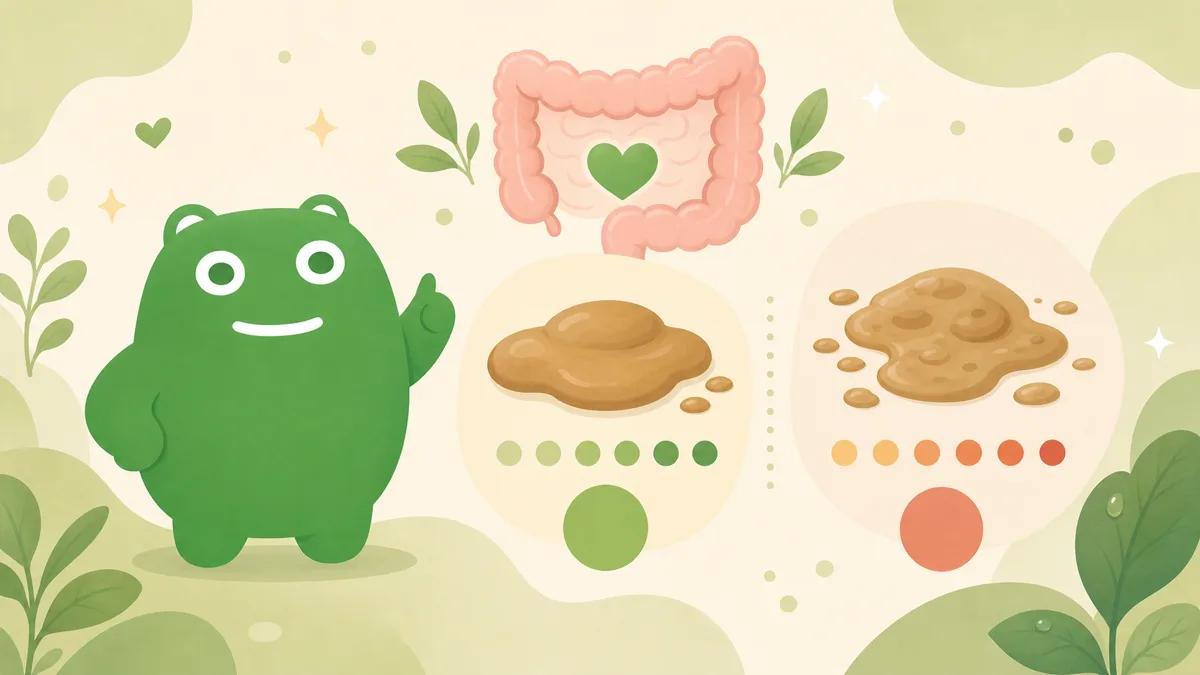
Loose stool and diarrhea sound like the same thing, and they overlap, but the difference is mostly about how often it happens and how watery it gets. Knowing which one you are dealing with helps you decide whether to simply wait it out or take it more seriously.
The quick answer
Loose stool is stool that is softer or looser than your usual, often Bristol type 5 or 6, and it can easily be a one-off after a rich meal, a change in routine, or a stressful day. Diarrhea is loose or watery stool that shows up more often, commonly three or more times a day, often Bristol type 6 or 7, and it usually comes with urgency or larger volume. Most episodes settle at home, but a handful of warning signs mean it is time to call a doctor.
What loose stool is
Loose stool simply means your stool is softer, looser, or less formed than what is normal for you. On the Bristol Stool Chart it tends to sit around types 5 and 6: soft blobs with clear edges, or mushy stool with ragged edges. It can be a single event tied to something you ate, a busy schedule, or a stressful stretch, and it often returns to normal on its own with no other symptoms.
What diarrhea is
Diarrhea is more than one loose movement. The usual picture is loose or watery stool that comes frequently, commonly three or more times a day, often mapping to Bristol types 6 and 7, the watery end of the scale. It tends to come with urgency, a feeling of needing to go right now, and larger or more frequent amounts. Where a single loose stool is easy to shrug off, diarrhea is more likely to leave you tired and at risk of losing too much fluid.
Common causes
Both loose stool and diarrhea can come from many of the same triggers:
- Diet. A very rich, fatty, spicy, or high-sugar meal, or a sudden jump in fiber, can loosen stool.
- Food intolerance. Lactose or certain other foods can lead to loose stool in people who are sensitive to them.
- Infection. Viruses, bacteria, and other bugs from food or water are a common cause of true diarrhea, often with cramps or nausea.
- Stress and anxiety. Strong emotions can speed up the gut and loosen stool.
- Medications. Some antibiotics and other medicines list loose stool or diarrhea as a side effect.
How to manage at home
Most short-lived cases improve with simple care:
- Replace fluids. You lose water and salts with loose stool, so drink steadily through the day. An oral rehydration solution can help when you are losing a lot, and it matters most for children and older adults.
- Eat gently. When you feel ready, choose bland, easy foods and build back up slowly rather than forcing a big meal.
- Rest. Give your body time, since many cases pass within a day or two on their own without medicine.
Watch your fluids more than your food at first. Staying hydrated is the single most useful thing you can do while it runs its course.
When to see a doctor
Most loose stool and diarrhea eases on its own, but some signs need a professional look. See a doctor if you notice blood in your stool, black tarry stool, a high fever, or severe abdominal pain. Signs of dehydration are also important: very dark urine, dizziness, a dry mouth, or passing very little urine. Get help if diarrhea lasts more than a couple of days, and seek care sooner for infants and older adults, who dehydrate faster. This article is general information, not medical advice, so let a clinician interpret any red flag in your own situation.
How bellySignal helps
It is hard to tell a passing loose stool from real diarrhea from memory alone. With bellySignal you can log your Bristol stool type from 1 to 7, the color, and any blood or mucus, along with how often you go through the day. You can also track your urine color for hydration on a 1 to 8 scale, your water intake, and possible food triggers, with notes. Seeing frequency, stool type, and hydration side by side makes it easier to separate a one-off soft stool from true diarrhea and to spot what set it off.
Your diary is stored on your device, and no account is required. Selected health values, including stool type, symptoms and manually entered weight, are also sent to PostHog and Firebase Analytics. Both services are enabled by default. The analytics switch controls PostHog only; Firebase Analytics remains active. Privacy policy.
Frequently asked questions
- What is the difference between loose stool and diarrhea?
- Loose stool is simply softer or looser than your normal, often Bristol type 5 or 6, and it can be an isolated event with no other symptoms. Diarrhea is loose or watery stool that comes more frequently, commonly three or more times a day, often Bristol type 6 or 7, usually with urgency and more volume. Put simply, frequency, volume, and how watery it is separate a passing loose stool from real diarrhea.
- How do I manage loose stool or diarrhea at home?
- Drink plenty of fluids to replace what you lose, and consider an oral rehydration solution if you are losing a lot, especially in children and older adults. Eat gentle, bland foods when you feel ready, and rest. Most short-lived cases improve on their own within a day or two without medicine.
- When should diarrhea make me see a doctor?
- See a doctor if you notice blood in your stool, black tarry stool, a high fever, severe abdominal pain, signs of dehydration such as very dark urine, dizziness, or little urination, or diarrhea that lasts more than a couple of days. Infants and older adults need attention sooner because they dehydrate faster.
Sources
bellySignal provides general wellness information and does not replace professional medical advice or diagnosis.