
Why Am I So Bloated? Causes and How to Reduce It
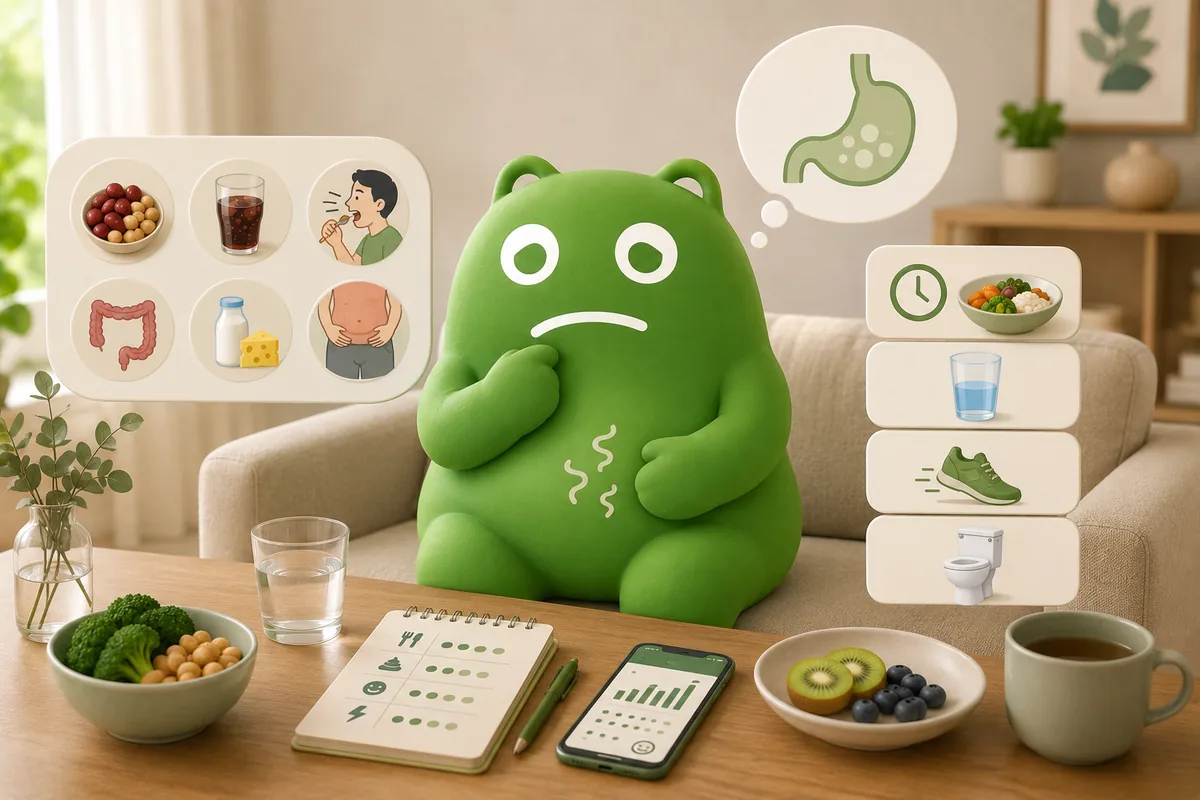
Almost everyone feels bloated from time to time. It is that tight, full, sometimes uncomfortable feeling in your belly, and it can leave you looking and feeling puffed out. Most of the time it is harmless and passes on its own. This guide explains what bloating actually is, what tends to cause it, practical ways to reduce it, and the signs that mean it is worth seeing a doctor.
The quick answer
Bloating is a sensation of fullness or pressure in your abdomen, often along with visible distension, where your belly looks bigger than usual. Most of the time it comes down to gas building up in the digestive system. Common causes include gas-producing foods, eating too quickly, constipation, and food intolerances. The good news is that bloating usually eases once you spot your own trigger foods, slow down at meals, stay regular, and move a little after eating.
What bloating actually is
Bloating describes that tight or full feeling in your belly. Often it goes hand in hand with distension, which is the visible swelling that can make your waistband feel snug by the evening. A lot of bloating comes from gas. Your gut naturally produces gas as it breaks down food, and some is also swallowed as air. When gas builds up faster than your body clears it, you feel the pressure. Slow digestion and constipation can add to that full, heavy feeling, since stool sitting in the bowel takes up space and slows things down.
Common causes of bloating
Several everyday things can leave you bloated:
Gas-producing foods. Beans, lentils, and cruciferous vegetables like broccoli, cabbage, and cauliflower are healthy but naturally produce more gas as they ferment in the gut.
Carbonated drinks. Fizzy water and soft drinks add gas directly to your stomach.
Eating too fast. Rushing meals means you swallow more air, and large portions stretch the stomach, both of which can leave you feeling bloated.
Constipation. When stool moves slowly or backs up, gas builds up behind it and the belly feels full and heavy.
Food intolerances. Some people struggle to digest certain foods, such as lactose in dairy, which can lead to gas and bloating. Your own pattern matters more than any universal list.
Hormonal changes. For some people, bloating tracks with the menstrual cycle and tends to come and go at certain times of the month.
How to reduce bloating
The basics are simple and well supported:
Identify your trigger foods. Notice which foods reliably leave you bloated and adjust based on your own experience rather than guesswork.
Eat slowly. Take your time, chew well, and avoid huge portions so you swallow less air and do not overfill your stomach.
Increase fiber gradually. Fiber supports regularity, but adding a lot at once can cause gas. Build it up slowly and drink water alongside it.
Stay hydrated. Water works with fiber to keep things moving and helps prevent the constipation that worsens bloating.
Move after meals. A short, gentle walk after eating helps your gut shift gas along.
Manage constipation. Staying regular with enough fiber, fluids, and movement is one of the most effective ways to feel less bloated.
When to see a doctor
Most bloating is harmless and settles with everyday care. Some signs, though, need professional attention. See a doctor if your bloating is persistent or getting worse, or if it comes with unexplained weight loss, ongoing or severe pain, blood in your stool, or a lasting change in your bowel habits. These are not things to wait out. This guide is general information, not medical advice, and a clinician can quickly tell whether something needs further checks.
How bellySignal helps
It is hard to connect a particular meal to how you felt hours later from memory alone. Seeing those entries side by side over days and weeks makes it easier to link specific foods to bloating, spot the patterns that keep coming back, and bring a clear picture to a doctor if you need to.
Your diary is stored on your device, and no account is required. Selected health values, including stool type, symptoms and manually entered weight, are also sent to PostHog and Firebase Analytics. Both services are enabled by default. The analytics switch controls PostHog only; Firebase Analytics remains active. Privacy policy.
Frequently asked questions
- Why do I feel bloated after eating?
- Bloating after meals is often caused by gas from certain foods, eating too fast and swallowing air, or eating a large portion. Carbonated drinks, beans, and cruciferous vegetables are common culprits. Eating slowly and noticing which foods affect you usually helps.
- What is the fastest way to reduce bloating?
- Gentle movement like a short walk, drinking water, and easing off carbonated drinks and very salty foods can help in the moment. Over time, eating more slowly, building fiber gradually, and managing constipation tend to reduce how often you feel bloated.
- When should I worry about bloating?
- See a doctor if bloating is persistent or getting worse, or if it comes with unexplained weight loss, ongoing pain, blood in your stool, or a lasting change in your bowel habits. These warrant a proper check rather than self-care.
Sources
bellySignal provides general wellness information and does not replace professional medical advice or diagnosis.