
Yellow Diarrhea: Causes and When to Get Help
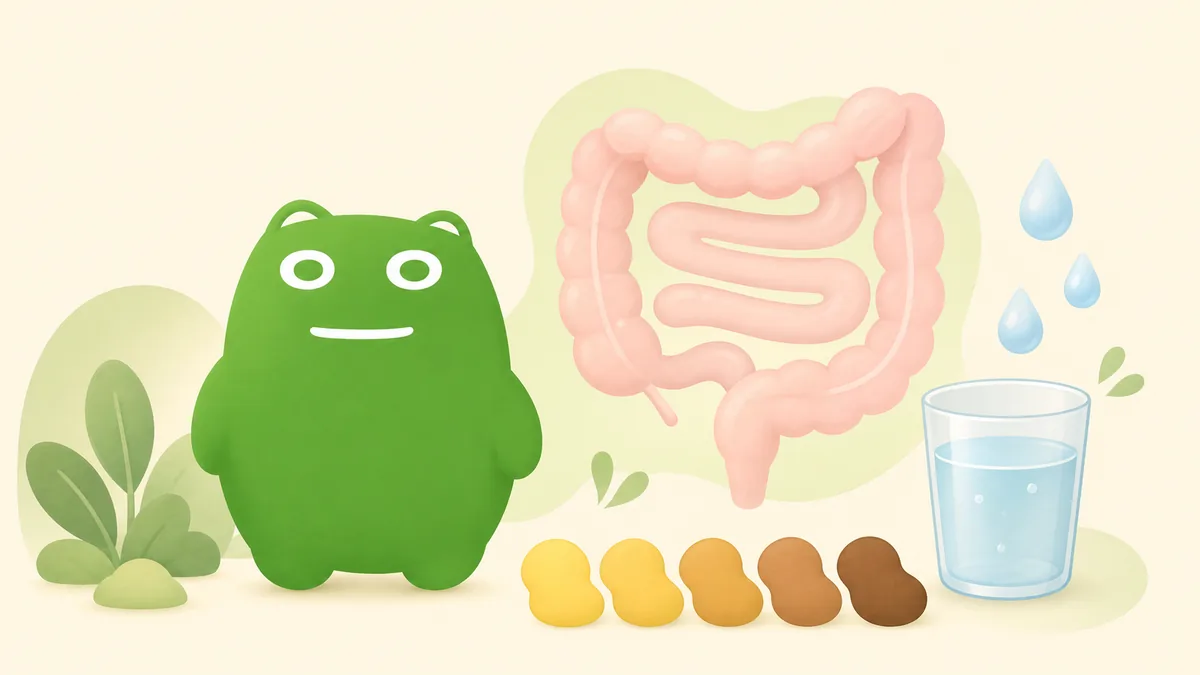
Yellow diarrhea is usually yellow because loose stool is passing through the gut faster than normal. Bile begins as a yellow-green fluid and normally changes as food moves through the intestine. With rapid transit, less of that change occurs before the stool leaves the body. Color alone cannot identify the cause, so timing, texture, frequency, food, and other symptoms matter.
Why diarrhea can look yellow
A short episode commonly happens with viral gastroenteritis, food poisoning, a sudden diet change, or a food that speeds up the bowel. Caffeine, alcohol, very fatty meals, sugar alcohols, and foods that a person does not tolerate can contribute. Strong yellow or orange food pigments may also make already-loose stool look brighter.
Bile is another part of the explanation. It helps digest fat and starts out yellow-green. As stool travels through the digestive tract, bacteria and digestive processes usually turn it brown. Diarrhea shortens that travel time, so yellow or greenish shades can remain.
Yellow diarrhea is different from a single formed yellow bowel movement. It also differs from very pale, gray, or clay-colored stool, which may indicate that too little bile is reaching the intestine. Note the exact appearance rather than placing every light-colored stool in the same category.
When fat absorption may be involved
Repeated yellow stool that looks oily or greasy, floats often, smells unusually strong, leaves an oily film, or is difficult to flush can occur when fat is not being absorbed normally. This appearance is sometimes called fatty stool. It is not possible to diagnose the reason from a photo or description alone, and several digestive conditions can produce similar patterns.
The pattern deserves more attention if it continues or occurs with unexplained weight loss, ongoing bloating, poor appetite, fatigue, or nutrient deficiencies. Do not start a highly restrictive diet based only on stool color. A clinician can decide whether symptoms, examination, or testing point to a problem with digestion or absorption.
What to track during an episode
Record when the diarrhea began, how many loose stools occur, and whether the stool is watery, greasy, floating, or unusually pale. Add recent meals, new supplements, travel, sick contacts, alcohol, caffeine, and any antibiotics or other medicines. Also note cramps, urgency, nausea, vomiting, fever, and weight change.
Hydration is the immediate priority. Take frequent small sips if drinking a full glass worsens nausea. Water may be enough for a mild, brief episode, while frequent diarrhea can require an oral rehydration solution that replaces fluid and electrolytes. Watch urine output and color. Dark urine, urinating much less than usual, dry mouth, dizziness, or unusual weakness can signal dehydration.
A single day may not reveal a trigger. A short diary can show whether yellow diarrhea follows the same food, appears only during an infection, or continues regardless of meals. Avoid assuming that the most recent food is definitely responsible, since symptoms can start at different times after exposure.
When to seek medical care
Get prompt medical help for blood in the stool, black or tarry stool, severe or worsening abdominal pain, high fever, fainting, confusion, jaundice, very low urine output, or an inability to keep fluids down. Children, older adults, pregnant people, and anyone with a weakened immune system can become dehydrated more quickly and may need earlier advice.
Contact a clinician when diarrhea lasts more than a couple of days in an adult, repeatedly returns, wakes you at night, or comes with weight loss or greasy pale stool. Recommendations differ by age and medical history, so use a healthcare professional for personal guidance. This article provides general information, not medical advice.
How bellySignal helps
A timeline can show whether yellow diarrhea was a single episode or a repeating pattern connected with meals, hydration, or another change.
Your diary is stored on your device, and no account is required. Selected health values, including stool type, symptoms and manually entered weight, are also sent to PostHog and Firebase Analytics. Both services are enabled by default. The analytics switch controls PostHog only; Firebase Analytics remains active. Privacy policy.
Frequently asked questions
- Why is diarrhea yellow instead of brown?
- Diarrhea can move through the intestine so quickly that bile pigments do not have enough time to change to their usual brown color. Food pigments and a high-fat meal can also affect color.
- Does yellow diarrhea always mean a fat absorption problem?
- No. A short episode is often linked to rapid transit, infection, or food. Repeated pale yellow diarrhea that is greasy, bulky, floating, and difficult to flush deserves medical review.
- When is yellow diarrhea urgent?
- Get prompt medical help for blood or black stool, severe abdominal pain, faintness, confusion, very low urine output, jaundice, high fever, or an inability to keep fluids down.
Sources
bellySignal provides general wellness information and does not replace professional medical advice or diagnosis.