
Sticky Stool Causes and What to Do
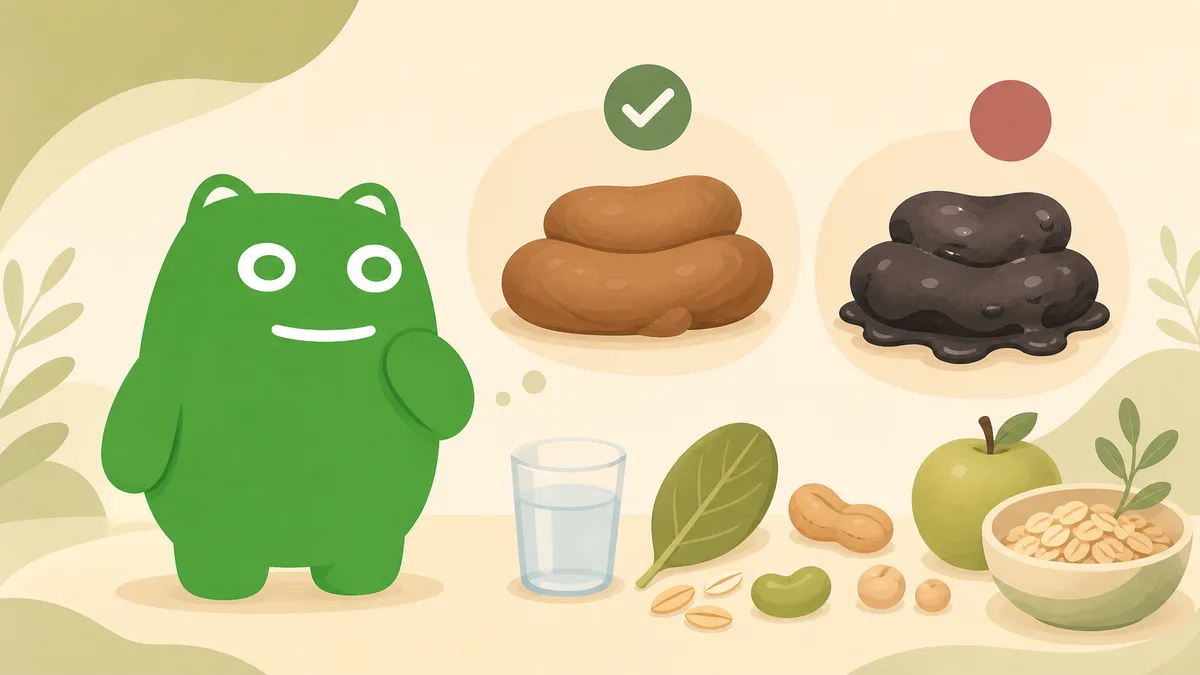
Sticky stool can be a short-lived change from food, hydration, or mucus, but it is worth taking seriously when the pattern repeats. The key is to separate a sticky bowel movement after a rich meal from stool that is persistently greasy, pale, foul-smelling, hard to flush, or black and tar-like.
What sticky stool means
People use “sticky stool” to describe several things. It may feel tacky when wiping, cling to the toilet bowl, leave residue after flushing, look oily, or appear dark and tarry. Those details matter because they point in different directions.
A single sticky stool after fried food, full-fat dairy, alcohol, travel, constipation, or lower water intake is often a pattern to watch rather than panic over. If the next few bowel movements return to your usual Bristol stool type and color, keep a brief note of what happened.
Repeated sticky stool needs more context. Greasy stool may look shiny, float, smell stronger than usual, seem pale or yellow, or leave an oily film. Black tarry stool is different: it may be sticky because digested blood can change both color and texture. That pattern should not be treated like a diet-only issue.
Common diet and hydration causes
High-fat meals are a common reason stool becomes greasier or stickier for a short time. Fried foods, heavy cream, full-fat dairy, fatty cuts of meat, and large rich meals can leave more fat in the stool, especially if the meal is unusual for you.
Water and fiber affect texture too. When stool moves slowly or becomes harder, mucus can make wiping feel sticky. Low fluid intake, irregular meals, travel, and routine changes can all make stool less predictable. New fiber, sugar alcohols, or supplements can also loosen stool and make it harder to interpret.
The practical response is not to overcorrect from one bathroom visit. Return to balanced meals, drink water steadily, and note whether a food pattern repeats. If you suspect fat is the trigger, track the meal rather than eliminating whole food groups.
When greasy stool suggests malabsorption
Persistent greasy stool can be a sign that fat is not being digested or absorbed normally. Bile, pancreatic enzymes, and the small intestine help process fat. When that system is not working well, stool may become oily, bulky, pale, loose, floating, hard to flush, and unusually foul-smelling.
This does not diagnose a condition by itself. It means the pattern is more useful when recorded clearly: how often it happens, whether it follows fatty meals, whether stool is loose or formed, whether weight is changing, and whether pain, bloating, gas, diarrhea, or fatigue occur with it.
If sticky stool is consistently greasy or pale, especially with diarrhea or unintentional weight loss, arrange medical review. A clinician can decide whether testing for digestion, absorption, infection, inflammation, bile flow, or enzyme problems is appropriate.
Black, tarry, or bloody stool warning signs
Black tarry stool is a red flag because it can reflect bleeding higher in the digestive tract. Iron supplements, bismuth medicine, charcoal, and very dark foods can also darken stool, but usually without the same tar-like texture and strong odor.
Seek prompt medical care if stool is black, sticky, tarry, and foul-smelling. Get urgent help if it comes with dizziness, weakness, fainting, shortness of breath, vomiting blood, severe belly pain, or repeated episodes. Also contact a healthcare professional for visible red blood, persistent mucus with pain or diarrhea, fever, dehydration, jaundice, pale stool with dark urine, or a major unexplained bowel habit change. This article is general information, not medical advice.
What to track before changing everything
A simple log can make sticky stool easier to understand. Record the date and time, Bristol stool type, color, whether it floated, whether it looked oily, whether mucus or blood was present, and how difficult it was to flush. Add water intake, meals from the previous day, fatty foods, dairy, alcohol, caffeine, new supplements, medicines, stress, travel, and sleep disruption.
Look for repeated pairs: sticky stool after high-fat dinners, mucus during constipation, loose greasy stool after rich meals, or dark stool after iron. Patterns are more useful than isolated memories.
How bellySignal helps
You can log Bristol stool type, stool color, blood or mucus, water intake, food triggers, and notes each time the pattern appears. For sticky stool, you can compare texture with meals and warning signs instead of guessing later.
It simply helps you organize stool, color, blood or mucus, water, food triggers, and notes so you can notice whether sticky stool was occasional and diet-related or persistent enough to discuss with a healthcare professional.
Your diary is stored on your device, and no account is required. Selected health values, including stool type, symptoms and manually entered weight, are also sent to PostHog and Firebase Analytics. Both services are enabled by default. The analytics switch controls PostHog only; Firebase Analytics remains active. Privacy policy.
Frequently asked questions
- Is sticky stool usually serious?
- Not usually if it happens once or twice after a fatty meal, low water intake, constipation, or a brief stomach upset. It matters more when it persists, looks oily or pale, smells unusually foul, or appears black and tarry.
- What should I do first for sticky stool?
- Track the pattern for a few days, drink enough water, return to regular balanced meals, and note high-fat foods, dairy, alcohol, supplements, medicines, mucus, pain, and stool color.
- When should I contact a healthcare professional?
- Seek care for sticky stool that lasts, black tarry stool, visible blood, unexplained weight loss, fever, severe belly pain, jaundice, dehydration, or ongoing greasy diarrhea.
Sources
bellySignal provides general wellness information and does not replace professional medical advice or diagnosis.