Frequent Urination After Alcohol: Why It Happens
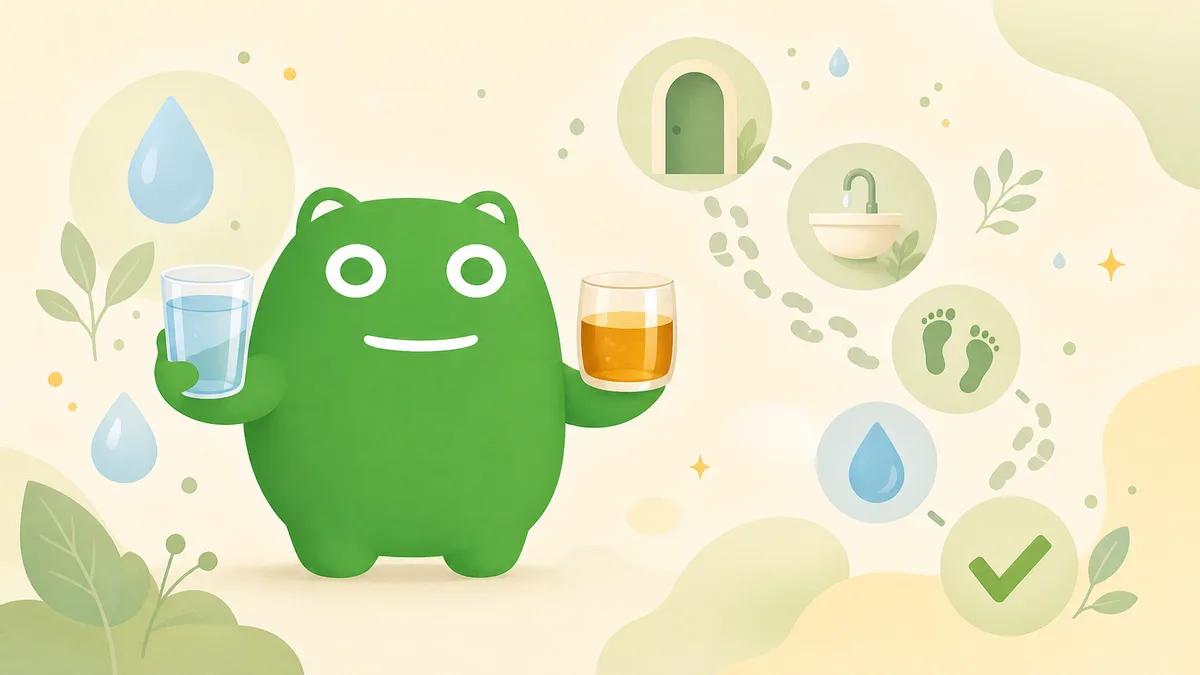
Frequent urination after alcohol is usually explained by fluid volume, alcohol’s diuretic effect, bladder irritation, and timing. Alcohol can make the kidneys release more water into urine, and the drink itself adds fluid. Beer, wine, cocktails, carbonation, caffeine, citrus, sweeteners, and spicy or salty food can also make the bladder feel more urgent.
This pattern is not a diagnosis. If it is mild, predictable, and settles after the drinking episode, tracking can help. If urination is painful, bloody, intense, new, or persistent away from alcohol, speak with a clinician.
Why alcohol can increase urination
Your body uses hormones and kidney signals to balance water and salts. One of those hormones is vasopressin, which helps the kidneys retain fluid. The National Institute on Alcohol Abuse and Alcoholism explains that alcohol can suppress vasopressin release, increasing urination and fluid loss.
Alcohol amount, drinking speed, beverage size, food intake, heat, sweating, medications, and baseline hydration all change the pattern. A large beer or hard seltzer adds more fluid volume than a small neat drink.
Some people notice more bathroom trips while drinking. Others notice darker urine, thirst, headache, or dry mouth later. The whole evening and next morning matter more than one bathroom trip.
Dehydration context without overcorrecting
Peeing often after alcohol can fit with dehydration, but it is not the only clue. Thirst, dry mouth, headache, dizziness, reduced urination later, and darker yellow urine add context. Very pale urine during drinking may reflect drink volume.
Water can help, but forcing a large amount quickly can make your stomach feel full or upset. A steadier approach is usually more comfortable: alternate alcoholic drinks with water, sip before bed if safe, and eat normal meals.
Avoid using urine color as a perfect hydration test. Vitamins, foods, medications, illness, and timing can change color. Still, a urine color note is useful when paired with water in cups or mL, alcohol type, sweating, stool changes, and symptoms.
Bladder irritation and drink triggers
Alcohol may also bother the bladder directly. Urology sources list alcohol among drinks that can worsen urgency or overactive bladder symptoms for some people. This can feel like a sudden need to pee, frequent small trips, pressure, or unusual sensitivity.
The drink around the alcohol matters. Beer and sparkling drinks add carbonation. Cocktails may include citrus, caffeine, artificial sweeteners, sweet syrups, or acidic mixers. A night out may also include spicy food, tomato-heavy food, salty snacks, or late meals.
Do not turn one episode into a long forbidden list. Change one variable at a time. Try a smaller serving, avoid carbonation once, skip caffeinated mixers, drink more slowly, or compare beer with wine or a noncarbonated option.
What to log after drinking
Record the alcohol type, approximate amount, start and stop time, carbonation, mixers, and food. Add water intake in cups or mL, urine color, how often you urinated, whether the urge was sudden, and whether there was burning, pelvic pressure, side pain, or trouble emptying.
Track the next morning too. Note thirst, headache, darker urine, fewer trips than usual, diarrhea, constipation, stool color, mucus, or blood. Stool details may seem unrelated, but alcohol can affect digestion, and constipation can add pelvic pressure.
After a few entries, look for repeated pairings. The trigger may be total alcohol, a specific drink, carbonation, low water intake, salty food, spicy food, poor sleep, stress, or symptoms that do not depend on alcohol.
Warning signs
Do not assume alcohol explains every urinary symptom. Get medical advice if frequent urination has no clear reason, disrupts sleep or daily life, or continues on alcohol-free days. Seek prompt care for blood in urine, red or dark brown urine, painful urination, side pain, lower belly or groin pain, fever, chills, trouble passing urine, loss of bladder control, pregnancy with urinary symptoms, or new excessive thirst.
This article is general information, not medical advice. A log can support a medical visit, but it should not delay care when warning signs are present.
How bellySignal helps
You can log urine color-based hydration from 1 to 8, abnormal urine colors, persistent foam, water by cups or mL, food and drink triggers, and notes about alcohol type, mixers, timing, urgency, discomfort, sleep, or sweating.
When digestion is part of the picture, you can also track stool with Bristol types 1 to 7, stool color, blood, and mucus. That makes it easier to record sensitive bathroom details and decide whether the pattern looks practical, persistent, or worth discussing with a clinician.
Your diary is stored on your device, and no account is required. Selected health values, including stool type, symptoms and manually entered weight, are also sent to PostHog and Firebase Analytics. Both services are enabled by default. The analytics switch controls PostHog only; Firebase Analytics remains active. Privacy policy.
Frequently asked questions
- Why do I pee so much after drinking alcohol?
- Alcohol can reduce vasopressin signaling, which makes the kidneys hold on to less fluid. The drink volume itself, mixers, carbonation, and bladder irritation can also make bathroom trips more frequent.
- Does peeing a lot after alcohol mean I am dehydrated?
- It can be part of a dehydration pattern, especially if you also have thirst, dry mouth, headache, dizziness, or darker urine later. Frequent urination alone does not tell the whole story, so track water intake and urine color too.
- When should I worry about frequent urination after alcohol?
- Get medical advice for burning, fever, chills, blood in urine, red or dark brown urine, side or lower belly pain, trouble emptying, pregnancy, new excessive thirst, or symptoms that persist when you are not drinking.
Sources
bellySignal provides general wellness information and does not replace professional medical advice or diagnosis.