
Common Foods That Trigger Digestive Symptoms
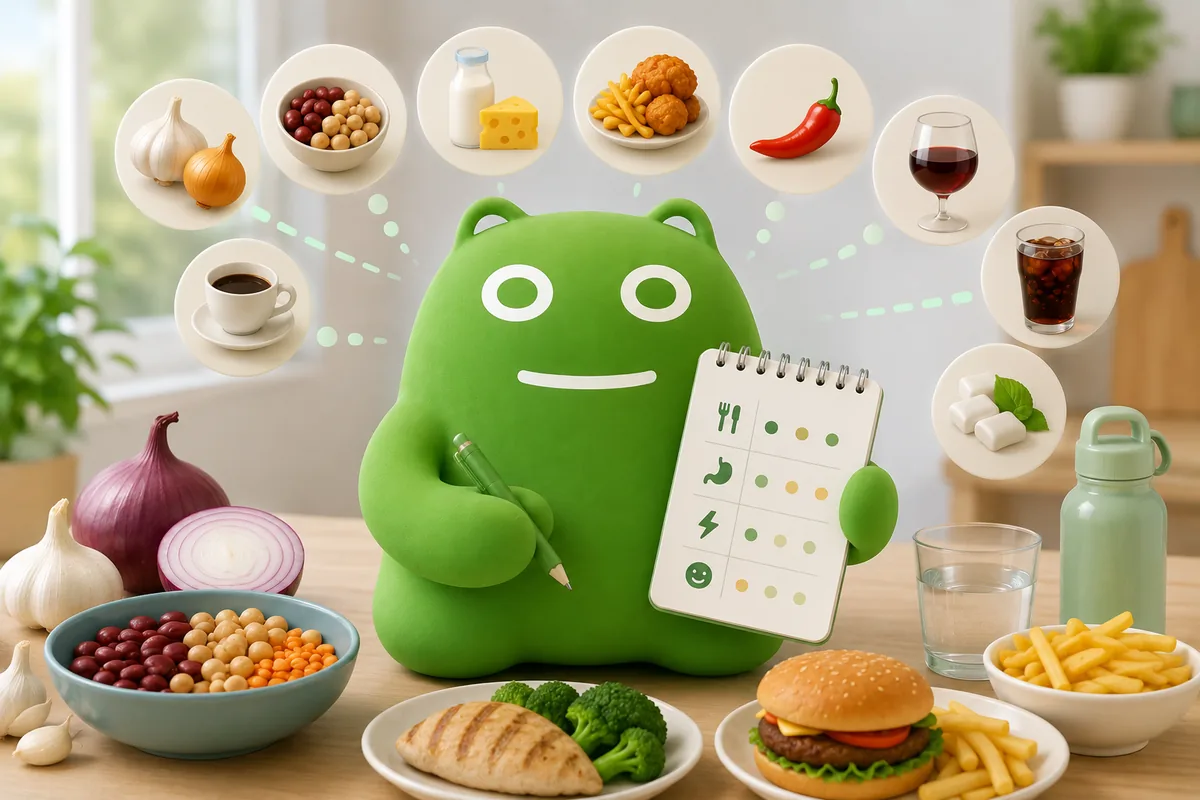
Almost everyone has had a meal that did not sit well. For some people it happens often enough that they start to wonder which foods are to blame. The tricky part is that triggers are personal, so the foods that upset one person may be perfectly fine for another. The good news is that a little tracking goes a long way toward finding your own answers.
The quick answer
Common digestive triggers include high-FODMAP foods such as onions, garlic, and beans, dairy for people with lactose intolerance, very fatty or fried foods, spicy foods, caffeine, alcohol, carbonated drinks, and some artificial sweeteners. Reactions vary a lot from person to person, so the most reliable way to find your triggers is to keep a food and symptom diary and test one suspected food at a time.
How foods can trigger symptoms
Different foods cause trouble in different ways. Some carbohydrates are poorly absorbed in the small intestine, so they draw water in and then ferment in the colon, producing gas. That can lead to bloating, cramps, and a churning feeling. Other foods speed things up or irritate a sensitive gut, which can mean loose stool and a sudden need to find a bathroom. Fatty meals can sit heavily and slow digestion, while caffeine and very spicy food can stir up the gut and bring on urgency. The result is the same handful of symptoms, even though the path there differs.
Common trigger foods
These foods come up again and again, though not everyone reacts to all of them:
- High-FODMAP foods. Onions, garlic, beans and lentils, wheat, and some fruits like apples and pears are common sources of gas and bloating.
- Lactose in dairy. Milk, soft cheese, and ice cream can cause gas, bloating, and loose stool in people who do not digest lactose well.
- Gluten. Some people are sensitive to it, though true coeliac disease needs a proper medical diagnosis before cutting gluten out.
- Fatty and fried foods. Heavy, greasy meals can feel slow and uncomfortable and sometimes loosen stool.
- Spicy foods. These can irritate the gut and bring cramps or urgency.
- Caffeine. Coffee, tea, and energy drinks can speed up the bowel.
- Alcohol. It can irritate the gut lining and disrupt normal digestion.
- Carbonated drinks. The bubbles add gas and can leave you feeling bloated.
- Some artificial sweeteners. Sugar alcohols like sorbitol and mannitol, found in sugar-free gum and sweets, are common offenders.
Why triggers are personal
There is no single list that fits everyone. Your gut bacteria, your sensitivity, and any conditions you have all shape how you respond to food. Amount matters too. A small amount of onion in a sauce may be fine, while a big bowl of onion soup is not. The same goes for dairy, coffee, and many other foods, where a little is harmless but a lot tips you over. This is why broad advice can only take you so far, and why your own pattern is what counts.
How to find your triggers
A bit of structure makes this much easier. Keep a food and symptom diary, writing down what you eat and how your gut feels over the following hours. After a week or two, look for patterns. If one food keeps showing up before bad days, try removing it for a couple of weeks, then reintroduce it and watch what happens. Change only one thing at a time, because if you drop several foods at once you will not know which one mattered. Patience helps, since symptoms can lag behind a meal and patterns take time to appear.
When to see a doctor
Tracking food is useful, but it is not a substitute for medical care. See a doctor if your symptoms are severe or persistent, if you have unexplained weight loss, or if you notice blood in your stool. It is also wise to check in before starting a strict elimination diet, because cutting out major food groups on your own can mask conditions that need treatment and leave your diet unbalanced. This article is general information, not medical advice.
How bellySignal helps
The link between a food and how your gut reacts is hard to hold in your head, especially when the reaction comes hours later. Seeing your meals and your gut’s response side by side over days and weeks makes a trigger far easier to spot, and gives you real detail to share with a doctor instead of a vague memory.
Your diary is stored on your device, and no account is required. Selected health values, including stool type, symptoms and manually entered weight, are also sent to PostHog and Firebase Analytics. Both services are enabled by default. The analytics switch controls PostHog only; Firebase Analytics remains active. Privacy policy.
Frequently asked questions
- Which foods most commonly cause gas and bloating?
- High-FODMAP foods like onions, garlic, beans and lentils, wheat, and some fruits are common culprits, along with carbonated drinks and sugar alcohols such as sorbitol. Lactose in dairy can also cause gas and bloating in people who do not digest it well.
- How do I find out which foods trigger my symptoms?
- Keep a food and symptom diary so you can match what you eat with how your gut reacts over days. If a pattern shows up, try removing one suspected food for a couple of weeks, then reintroduce it, and change only one thing at a time so the cause is clear.
- Should I cut out gluten or dairy to feel better?
- Not without good reason. Strict elimination diets can hide important diagnoses and lead to unbalanced eating, so it is best to see a doctor first, especially if you have severe symptoms, weight loss, or blood in your stool.
Sources
bellySignal provides general wellness information and does not replace professional medical advice or diagnosis.