
Diarrhea During Your Period: Why It Happens
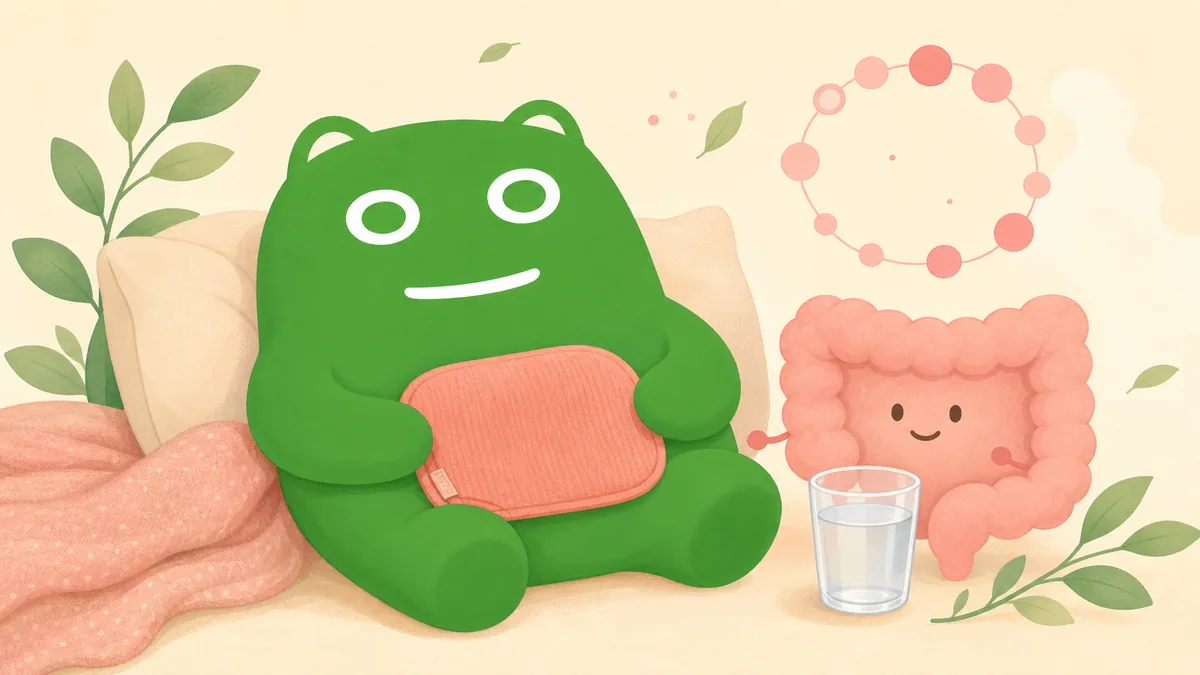
Loose or frequent stool around the start of a period is often linked to normal cycle chemicals rather than an infection. The timing, severity, and symptoms between periods help show whether it is a predictable cycle pattern or something that deserves further evaluation.
Why a period can affect bowel movements
Before and during menstruation, the body releases prostaglandins that help the uterus contract and shed its lining. These chemical messengers can also act on the intestines, increasing movement and producing urgency, cramps, or diarrhea. Hormonal shifts may change bowel habits in the days around bleeding as well.
The cycle is not always the only factor. More caffeine, rich foods, alcohol, stress, poor sleep, or a food trigger near a period can intensify loose stool. People who already have irritable bowel syndrome or another digestive condition may notice symptoms fluctuate with the cycle. Menstrual symptoms cannot confirm a digestive or gynecologic condition by themselves.
What to track across cycles
A single day is hard to interpret. Record the first day of bleeding, when loose stool begins, Bristol type, number of bowel movements, urgency, and abdominal or pelvic pain. Add water intake, caffeine, alcohol, meals, medicines, and whether symptoms wake you at night. Repeat this for two or three cycles if symptoms are mild and there are no warning signs.
Look for a consistent window. Diarrhea that appears just before or during the first days of bleeding and then settles is different from diarrhea that continues all month. Also separate menstrual blood from blood mixed into stool when possible. If you are unsure where bleeding comes from, a clinician can help assess it.
Include symptom-free days in the record. They show whether a suspected food, drink, or medicine is present without causing a reaction and make the cycle connection easier to judge. Note whether cramps improve after a bowel movement or remain severe and separate from digestive symptoms.
If pregnancy is possible, pelvic pain or unusual bleeding should not automatically be attributed to a period. Seek appropriate medical advice, particularly when pain is one-sided, severe, or accompanied by dizziness or fainting.
Ways to feel more comfortable
Replace fluids regularly, especially after repeated loose stools. Water is suitable for many mild episodes, while prolonged or heavy fluid loss may require oral rehydration guidance from a pharmacist or clinician. Choose simple foods that you tolerate and avoid a clearly repeated trigger rather than restricting many foods at once.
Heat on the lower abdomen may help cramps. Gentle movement and rest can also be useful. Be cautious with pain relievers and anti-diarrheal medicines if you have other conditions, take other medicines, or have blood, fever, or severe pain. Ask a healthcare professional when you are uncertain.
When symptoms need medical care
Seek care for severe or worsening pelvic or abdominal pain, fainting, fever, repeated vomiting, signs of dehydration, blood mixed in stool, black stool, or very heavy menstrual bleeding. A major new bowel change, diarrhea lasting beyond the period, symptoms throughout the month, or pain that disrupts normal life also deserves evaluation.
Endometriosis and digestive disorders can overlap in their symptoms, but a tracking pattern is not a diagnosis. This article offers general information, not medical advice.
How bellySignal helps
Comparing several cycles can show whether loose stool reliably clusters around bleeding or follows a particular food or drink.
Your diary is stored on your device, and no account is required. Selected health values, including stool type, symptoms and manually entered weight, are also sent to PostHog and Firebase Analytics. Both services are enabled by default. The analytics switch controls PostHog only; Firebase Analytics remains active. Privacy policy.
Frequently asked questions
- Why does my period make me poop more?
- Prostaglandins involved in uterine contractions can also increase bowel activity, leading to more frequent or looser stools around the start of a period.
- How long does period diarrhea usually last?
- For many people it clusters around the first days of bleeding. Symptoms that are severe, last beyond the period, or occur throughout the month should be discussed with a clinician.
- When should I seek care for diarrhea during a period?
- Seek care for severe pelvic or abdominal pain, fainting, fever, blood or black stool, repeated vomiting, dehydration, very heavy bleeding, or a major new change.
Sources
bellySignal provides general wellness information and does not replace professional medical advice or diagnosis.