
Bloating After Carbonated Drinks: Why It Happens
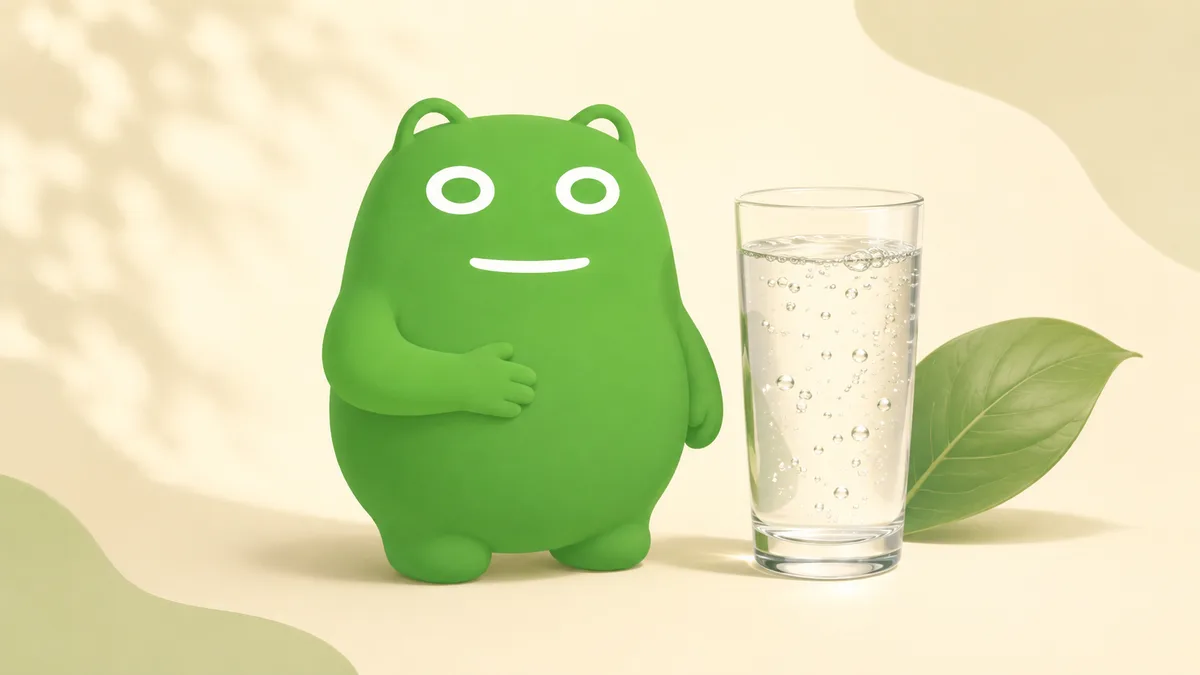
Bloating after carbonated drinks is commonly a gas and pressure issue rather than a sign that one sip has harmed your gut. Fizzy water, soda, beer, kombucha, and sparkling mixers all bring bubbles into the stomach. Some people burp that gas out quickly. Others feel upper belly tightness, visible distension, or a heavy full feeling for a while.
The pattern matters. A mild, short-lived bloated feeling after a large fizzy drink is different from bloating that is painful, persistent, new, or paired with changes in stool, vomiting, fever, or weight loss.
What carbonated-drink bloating usually means
Carbonation adds carbon dioxide gas to a drink. When you swallow it, gas enters the stomach along with fluid. The stomach can stretch, and that stretch may feel like pressure, fullness, or bloating. If you drink fast, drink through a straw, talk while drinking, or gulp during a meal, swallowed air can add to the same feeling.
Carbonated drinks can also make a meal feel heavier. A large meal already stretches the stomach, and a fizzy drink can increase that sensation. Fatty meals may leave the stomach more slowly for some people, so fullness can linger. If you already have trapped gas or constipation, the extra pressure may be easier to notice.
The drink itself can matter too. Regular soda adds sugar. Diet soda may contain sugar alcohols or other sweeteners that some people notice as gas or loose stool. Beer and some hard seltzers add alcohol, which can irritate the gut in some people. Sparkling water avoids many of those ingredients, but it still contains bubbles, so it can still trigger bloating in sensitive people.
Causes that can make the reaction stronger
Speed is one of the most overlooked causes. A can of soda with lunch may feel fine if sipped slowly, but uncomfortable if finished in a few minutes. Drinking from a straw can increase swallowed air. Drinking straight after exercise, when you are thirsty and breathing harder, can make gulping more likely.
Food timing is another clue. Carbonated drinks may get blamed when the bigger trigger is the meal beside them: beans, onions, garlic, wheat, dairy, large salads, fried foods, or very large portions. These can produce gas, slow emptying, or make the gut more sensitive. If bloating reliably appears only when fizzy drinks are paired with certain foods, the drink may be an amplifier rather than the sole cause.
Constipation can also make carbonated-drink bloating feel worse. When stool sits longer in the colon, gas can build up behind it. A fizzy drink then adds stomach pressure on top of an already full lower gut. If bloating improves after a bowel movement or if stools are Bristol type 1 or 2, bowel pattern belongs in the record.
Practical tracking and safe self-care
Try a simple comparison for several days. Keep the same meals as much as possible and switch from carbonated drinks to still water. Then compare bloating timing, intensity, burping, stool form, and urine color. If symptoms improve clearly during still-water days, carbonation is probably part of your pattern.
If you do not want to stop fizzy drinks completely, reduce the serving size, sip slowly, skip the straw, and avoid drinking them with your largest meal. Try plain sparkling water separately from soda or beer so you can tell whether carbonation, sugar, sweeteners, caffeine, or alcohol is more relevant.
Do not respond by restricting fluids overall. If you replace soda with very little fluid, constipation and darker urine may worsen. A better target is steady water intake through the day, with carbonated drinks treated as a possible trigger to test.
It also helps to record stool form and frequency. A week that includes harder stool, fewer bowel movements, and more fizzy drinks tells a different story from a week with normal stool and bloating only after soda. Notes about meal size, trigger foods, stress, and menstrual timing can make the pattern clearer.
Red flags
Talk with a healthcare professional if bloating is persistent, worsening, or new for you, especially if it affects appetite or daily activities. Seek prompt care for severe belly pain, vomiting, fever, inability to pass stool or gas, unexplained weight loss, black stool, blood in stool, fainting, chest pain, or trouble swallowing.
Carbonated drinks can explain many mild episodes, but they should not be used to explain away warning signs. This article is general information and not medical advice.
How bellySignal helps
bellySignal lets you log food and drink triggers, stool Bristol type 1-7, stool color, blood or mucus flags, urine color, abnormal urine color, persistent foam, water in cups or mL, and personal notes.
When symptoms are recurring, a clear pattern is more useful than trying to remember one uncomfortable drink.
Your diary is stored on your device, and no account is required. Selected health values, including stool type, symptoms and manually entered weight, are also sent to PostHog and Firebase Analytics. Both services are enabled by default. The analytics switch controls PostHog only; Firebase Analytics remains active. Privacy policy.
Frequently asked questions
- Why do carbonated drinks make me bloated?
- Carbonated drinks contain gas. Some of that gas leaves as burps, but some can sit as stomach pressure or make existing fullness more noticeable.
- Is sparkling water less bloating than soda?
- It may be for some people because it avoids sugar or sweeteners, but the carbonation itself can still cause gas and fullness.
- When should bloating after fizzy drinks be checked?
- Get medical advice if bloating is severe, persistent, worsening, or paired with vomiting, weight loss, fever, black stool, blood in stool, or severe pain.
Sources
bellySignal provides general wellness information and does not replace professional medical advice or diagnosis.